Archives
- 2026-10
- 2026-09
- 2026-08
- 2026-07
- 2026-06
- 2026-05
- 2026-04
- 2026-03
- 2026-02
- 2026-01
- 2025-12
- 2025-11
- 2025-10
- 2025-09
- 2025-03
- 2025-02
- 2025-01
- 2024-12
- 2024-11
- 2024-10
- 2024-09
- 2024-08
- 2024-07
- 2024-06
- 2024-05
- 2024-04
- 2024-03
- 2024-02
- 2024-01
- 2023-12
- 2023-11
- 2023-10
- 2023-09
- 2023-08
- 2023-07
- 2023-06
- 2023-05
- 2023-04
- 2023-03
- 2023-02
- 2023-01
- 2022-12
- 2022-11
- 2022-10
- 2022-09
- 2022-08
- 2022-07
- 2022-06
- 2022-05
- 2022-04
- 2022-03
- 2022-02
- 2022-01
Because LTs are proved to mediate multiple biological and
2024-07-24
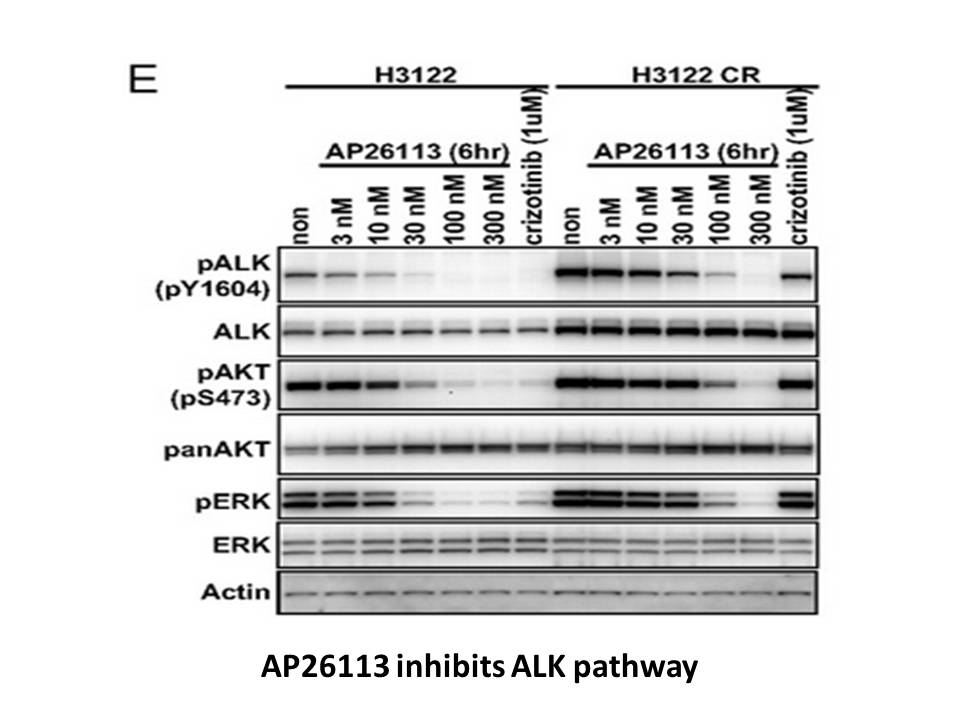
Because LTs are proved to mediate multiple biological and pathological responses in various disease states, the 5-LO biosynthetic pathway producing LTs from AA have been the target of drug discovery efforts for over two decades. As observed from literature, a pile of research efforts has been direct
The relatively high concentration of HT used in
2024-07-24
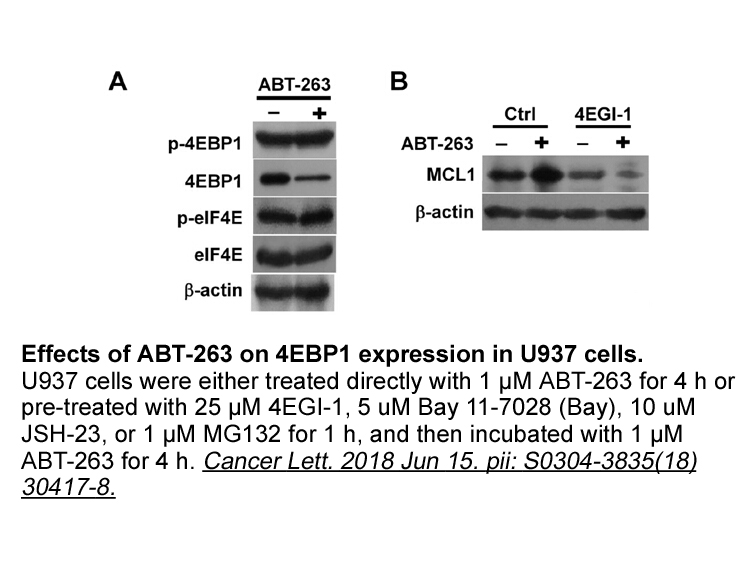
The relatively high concentration of 5-HT used in this study (100 µM) is consistent with the concentrations used in other published ex vivo studies (Ropert and Guy, 1991, Passani et al., 1994, Shen and Andrade, 1998). In our paradigm 5-HT was focally applied at the surface of the slice via a fast pe
A review has recently been published to evaluate the
2024-07-24
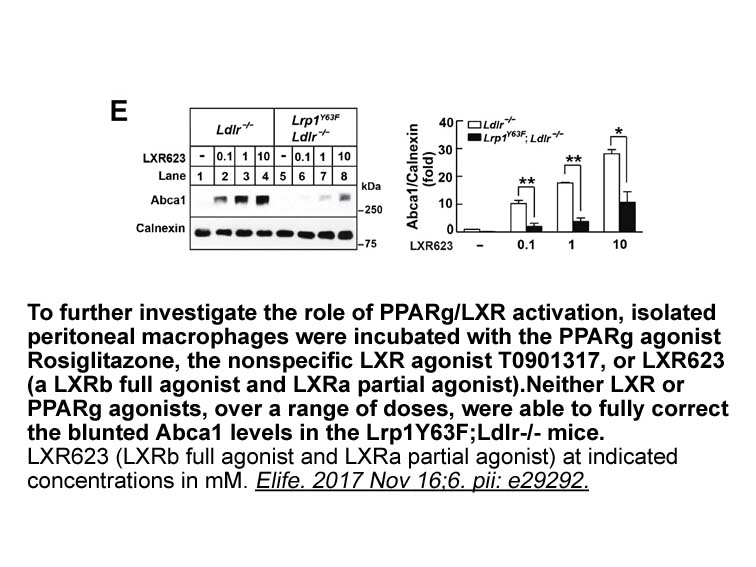
A review has recently been published to evaluate the potential effects of food, alcohol and GSK1838705A juices on the pharmacokinetics and pharmacodynamics of the drugs for BPH. The authors reviewed the PubMed database during the years 1991–2015. In addition, a digital version of Stockley on drug i
By performing knockdown of AXL
2024-07-24
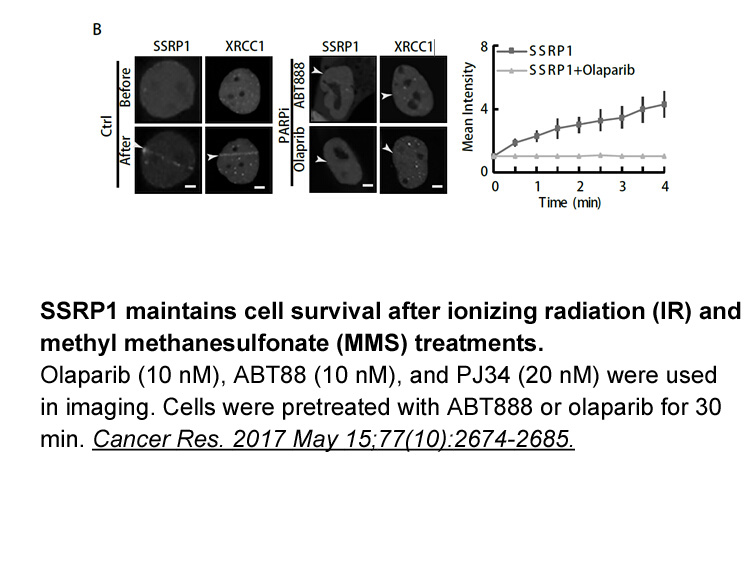
By performing knockdown of AXL once HER2+ cancer Clindamycin Phosphate australia have achieved lung colonization, we demonstrated that AXL contributes to the establishment of macrometastases. While inhibition of AXL impairs the efficiency of metastasis, the later finding has major clinical implicat
Autophagy is a highly conservative intracellular bulk degrad
2024-07-24
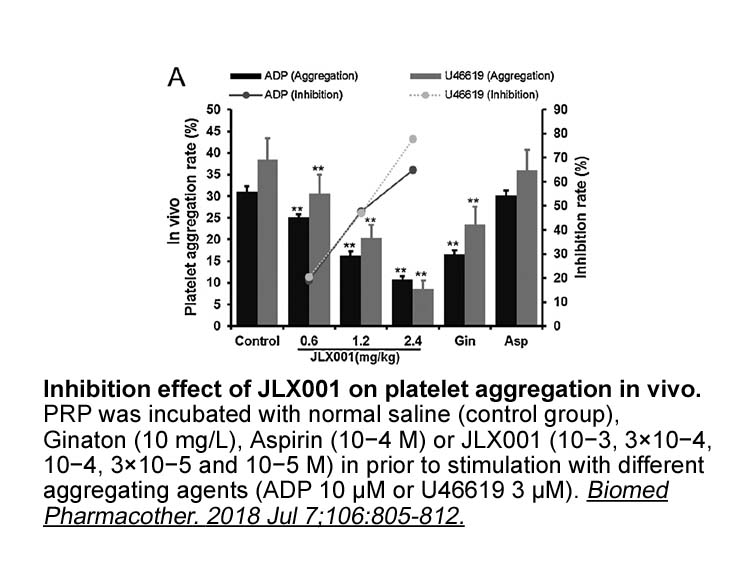
Autophagy is a highly conservative intracellular bulk degradation process including three major forms namely microautophagy, chaperone-mediated autophagy and macroautophagy. A large number of evidence has depicted a pivotal role for autophagy in the maintenance of cardiac geometry and contractile fu
br Acknowledgements We would like to thank Dr Thomas Blanpie
2024-07-24
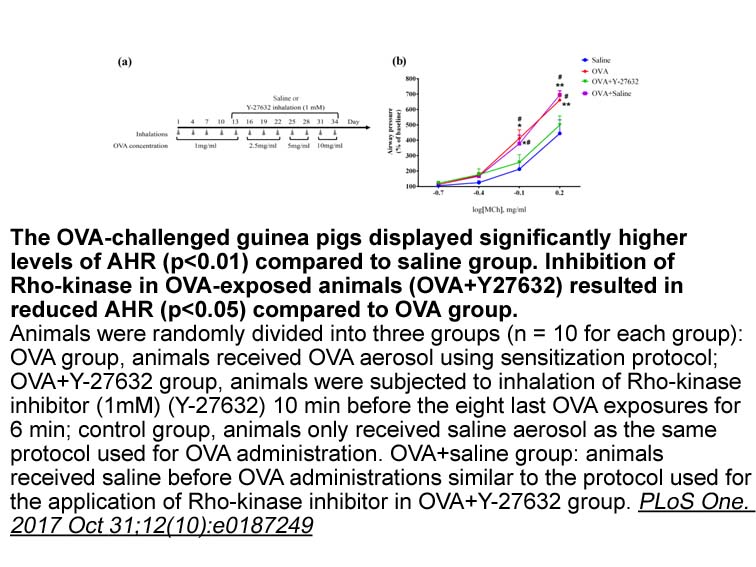
Acknowledgements We would like to thank Dr. Thomas Blanpied, Sai Sachin Divakaruni, Dr. Helmut Kessels, Feline Lindhout, Dieudonnée van de Willige, and all members of the MacGillavry lab for discussions and critical reading of the manuscript. This work was supported by NWO (ALW-VENI 863.13.020, A
br Results Of the U S jurisdictions surveyed Table
2024-07-24
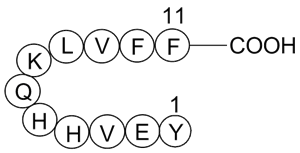
Results Of the 51 U.S. jurisdictions surveyed (Table 1), 33 reported that hyperargininemia is one of the conditions for which all newborns are required to be screened, with the earliest screening reported in Massachusetts in 1999. Of the 18 other jurisdictions, an additional 5 reported that hyper
MMP is the most critical protease which is involved in
2024-07-23
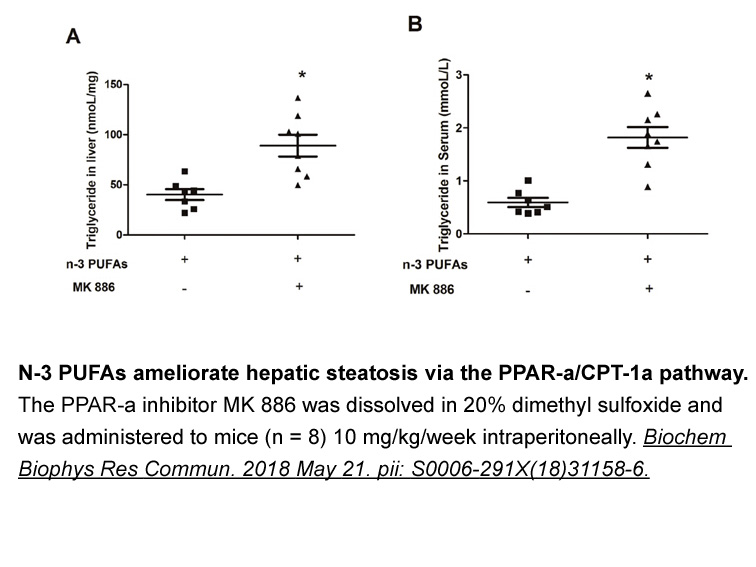
MMP9 is the most critical protease which is involved in the degradation of ECM. TIMP-1 is an important regulator in the synthesis and degradation of ECM [8,9]. Hepatic TIMP-1 expression significantly increases in patients with liver fibrosis [10]. Serum level of TIMP-1 expression is positively assoc
MPI-0479605 Platelet derived growth factor PDGF and ciliary
2024-07-23
Platelet-derived growth factor (PDGF) and ciliary neurotrophic factor (CNTF) are expressed by glial MPI-0479605 and are important to neuron survival and the maintenance of oligodendrocytes. These neurotrophic factors contribute to the remyelination process by increasing the proliferation of oligoden
LAP locations in the parasite tissues would provide
2024-07-23
LAP locations in the parasite tissues would provide clues for the potential physiological roles of it inside the parasite body. To date, tissue localization of LAPs has been carried out in many helminth parasites; however, information regarding LAPs in tapeworm is scarce. It was shown that LAPs were
MT SGL encourages a individual feature selection based
2024-07-23
MT-SGL encourages (a) individual feature selection based on the utility of the features across all tasks with ℓ2,1-norm and (b) task specific group selection based on the utility of the group with G2,1-norm, i.e., glucose transport proteins regions of interest (ROI) for that task. Unlike basic SGL
The disease stimulatory effects of hyperadiponectinemia in p
2024-07-23
The disease-stimulatory effects of hyperadiponectinemia in patients contradict a previous view based on studies of preclinical models showing that APN might be beneficial for AD [8]. Indeed, despite the action of APN as a risk factor in patients with AD, APN is protective against oxidative stress-in
It is well accepted that PKA is a key enzyme
2024-07-23
It is well accepted that PKA is a key enzyme activated at the beginning of the capacitation process [69]. As mentioned above phosphorylation/inactivation of cofilin in sperm is a PKA dependent process [58]. We could not see any change in cofilin phosphorylation level by adding the PKA activator 8Br
PC is considered as a cancer of the epigenome Grasso
2024-07-23
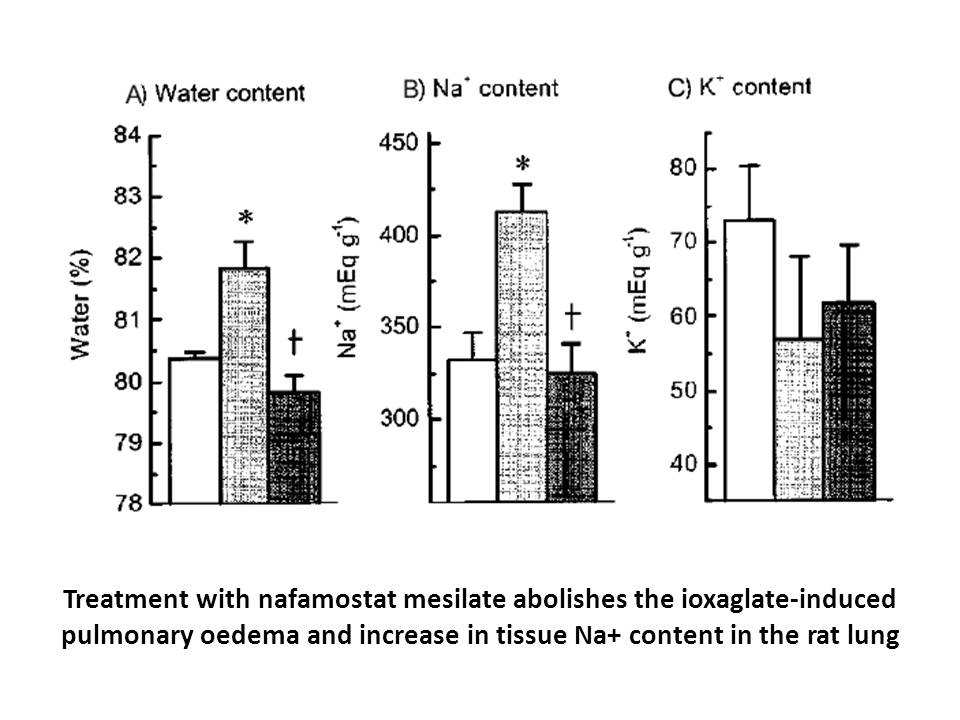
PC is considered as a cancer of the epigenome (Grasso et al., 2012, Robinson et al., 2015). Our results demonstrate that the interaction of AR with ACK1 drives the positive feedback epigenetic circuitry that is ultimately conducive to promote AR transcription. Further, this circuitry subjugates AR t
In this study an in vitro AChE inhibition
2024-07-23
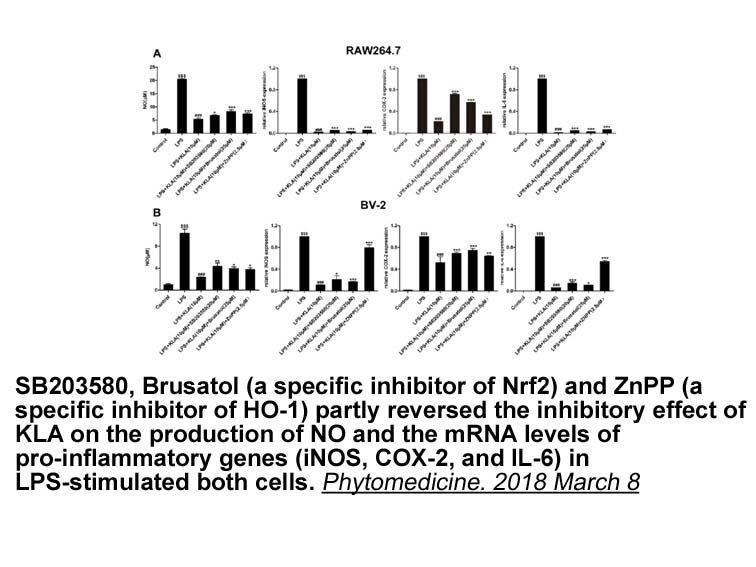
In this study, an in vitro AChE inhibition assay combined with UF-HPLC-ESI-Q-TOF/MS method was developed for rapid screening and identification of AChEI from the roots of C. chinensis Franch. Five compounds was found with AChE inhibitory activity and identified by the on-line DAD-ESI-Q-TOF/MS compar
8385 records 142/559 page Previous Next First page 上5页 141142143144145 下5页 Last page