Archives
- 2026-10
- 2026-09
- 2026-08
- 2026-07
- 2026-06
- 2026-05
- 2026-04
- 2026-03
- 2026-02
- 2026-01
- 2025-12
- 2025-11
- 2025-10
- 2025-09
- 2025-03
- 2025-02
- 2025-01
- 2024-12
- 2024-11
- 2024-10
- 2024-09
- 2024-08
- 2024-07
- 2024-06
- 2024-05
- 2024-04
- 2024-03
- 2024-02
- 2024-01
- 2023-12
- 2023-11
- 2023-10
- 2023-09
- 2023-08
- 2023-07
- 2023-06
- 2023-05
- 2023-04
- 2023-03
- 2023-02
- 2023-01
- 2022-12
- 2022-11
- 2022-10
- 2022-09
- 2022-08
- 2022-07
- 2022-06
- 2022-05
- 2022-04
- 2022-03
- 2022-02
- 2022-01
br Disclaimer br Conflicts of interest
2023-11-09

Disclaimer Conflicts of interest Role of the Sponsor Acknowledgements Funding/support: This project was supported by a grant from the Department of Surgery (R5129), Western University and by the Institute for Clinical Evaluative Sciences (ICES) Western site. ICES is funded by an annual g
Our sample is representative of mRCC treated
2023-11-09
Our sample is representative of mRCC treated with sunitinib. However, the results from CCC setting have limited inference due to small exploratory sample (n = 51). Additionally, the significance of survival differences in CCC according to AXL staining is tangential. Unfortunately, we were unable to
Interestingly this situation might be changed by
2023-11-09

Interestingly, this situation might be changed by the immunological context, in particular by the cytokines encountered during differentiation or activation. LPS-activation of bone marrow-derived DCs differentiated in GM-CSF decreases autophagy, CP2, and subsequent activation of CD4+ T cells (Fig. 2
The mitochondrial protein AIF was
2023-11-09
The mitochondrial protein AIF was the first caspase-independent death effector. AIF can induce caspase-independent chromatin condensation and large-scale DNA fragmentation to approximately 50 KB. AIF that is released to cytoplasm can mediate apoptosis when special extracellular signals trigger the o
Although the gene that encodes DHFR has been strongly
2023-11-08
Although the gene that encodes DHFR has been strongly conserved during evolution, subtle differences in the active sites of bacterial, human and parasite Shikonin have been exploited to develop DHFR inhibitors specific to particular pathogens 1, 3. For example, pyrimethamine and cycloguanil bind st
br Natriuretic peptides and neprilysin Left ventricular syst
2023-11-08
Natriuretic peptides and neprilysin Left ventricular systolic function, most commonly due to myocardial damage as a consequence of coronary artery disease, hypertension or both, and leading to sustained, pathological activation of the renin angiotensin dfmo system (RAAS) and sympathetic nervous s
Breast Cancer Although androgens have been
2023-11-08
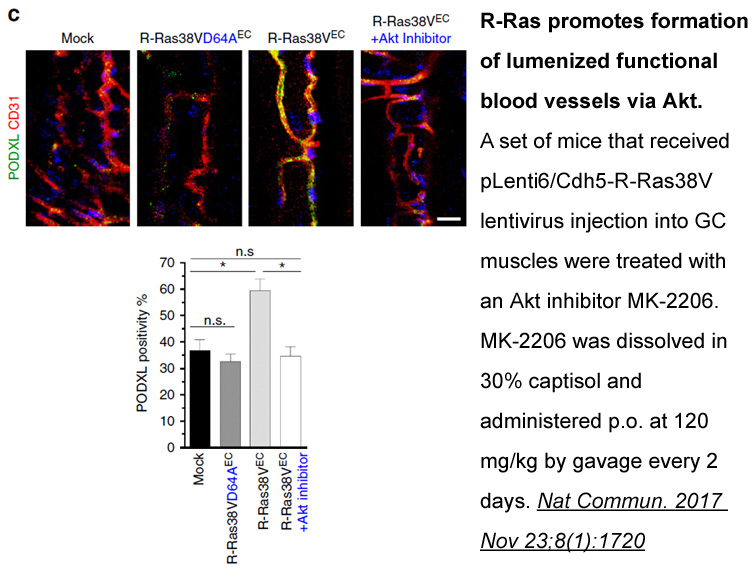
Breast Cancer: Although androgens have been considered to be a risk factor in prostate cancer they have been recommended to treat breast cancers. Even before the discovery of SERMs and aromatase inhibitors, steroidal androgens such as medroxyprogesterone and fluoxymesterone were used to treat breast
Here we provide evidence that NO contributes to
2023-11-08

Here, we provide evidence that NO contributes to changes in synaptic strength, but also offer an explanation as to why previous attempts to link NO to LTP have often failed. Our results describe a model by which cycling AMPARs, held in intracellular pools, are rapidly delivered to the membrane surfa
br Results We set out to identify in
2023-11-08
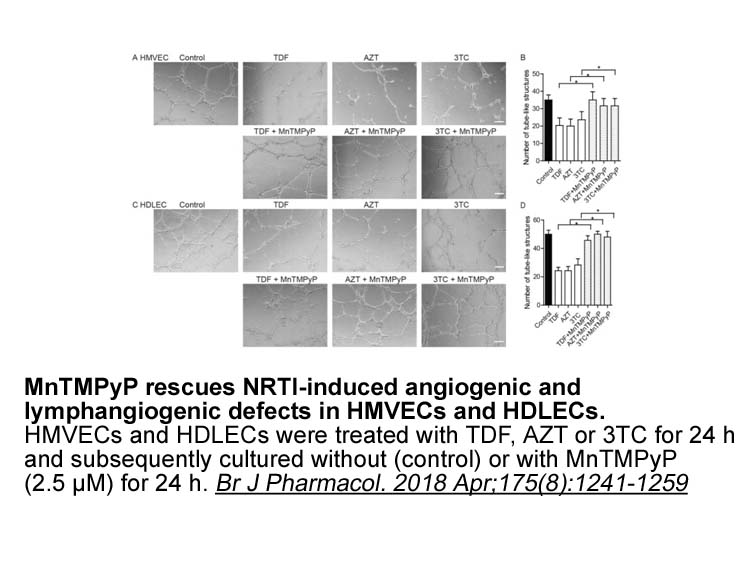
Results We set out to identify in an unbiased manner a set of candidate “scaling factors” that might participate in transcription-dependent synaptic scaling up. The ex vivo slice and profiling studies were conducted on HsCt5 mice (described later) at postnatal day (P) 14 to P15, an age at which s
Since the first studies of betaine aldehyde oxidation
2023-11-08
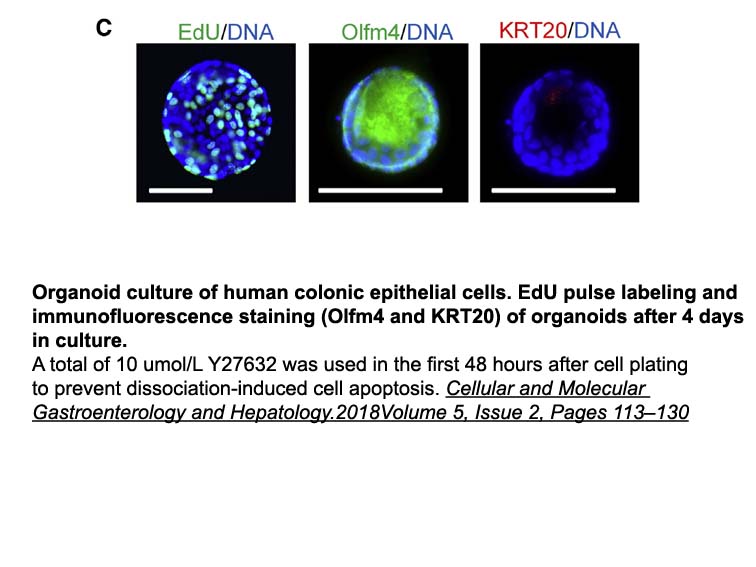
Since the first studies of betaine aldehyde oxidation in rats [13], the participation of betaine in the detoxification of homocysteine has well described, considering the activity of other SU 4312 as betaine homocysteine methyltransferase and methionine synthase. But, there is a lack of attention w
Fig A shows a schematic
2023-11-08
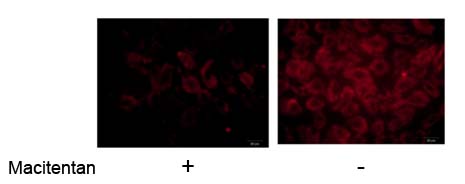
Fig. 2A shows a schematic representation of histological results according to the Franklin and Paxinos Mouse Brain Atlas (2001). The black circles represent the sites of drug infusion that were on-target within the amygdala. Gray circles represent the animals that had infusion locations outside the
A key step in the ADAR reaction
2023-11-08

A key step in the ADAR reaction is the formation of the adenosine covalent hydrate with a tetrahedral center at C6. The nucleoside analog 8-azanebularine (box in Fig. 6), with its relatively high propensity to form a covalent hydrate, is useful as an adenosine replacement in ADAR2 substrates to trap
Renal cell carcinoma RCC accounts
2023-11-08
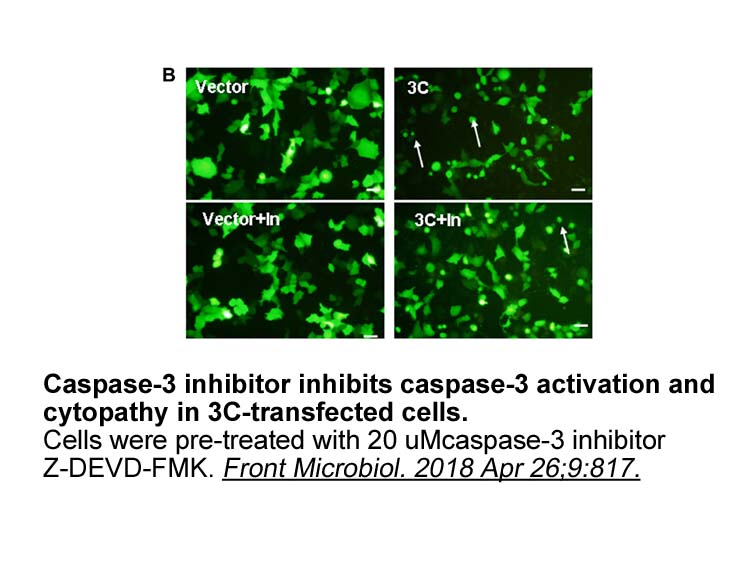
Renal cell carcinoma (RCC) accounts for more than 12,000 cancer deaths in the United States (Jemal et al., 2003). The current treatment includes surgical resection followed by interleukin-2 or Interferon-α treatment. Some patients experience distant metastatic lesions of RCC. In the last 5 years, re
Nanaomycin A br Conclusions br Conflicts of interest br Ackn
2023-11-08
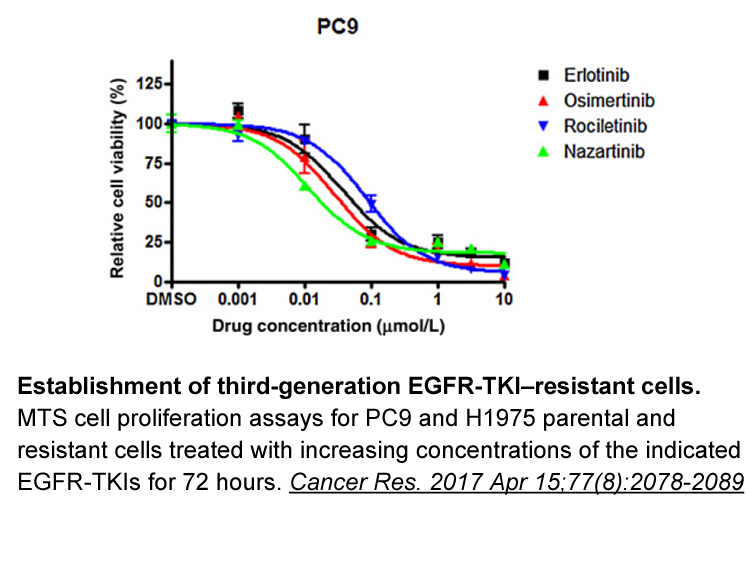
Conclusions Conflicts of interest Acknowledgements This work was supported by Ege University Research Fund [BAP, 14-ECZ-030, 2016]. Introduction The interest in the effects of endocrine disrupting chemicals (EDCs) in the aquatic environment continues to increase over the past decade, sp
In this paper we describe
2023-11-08
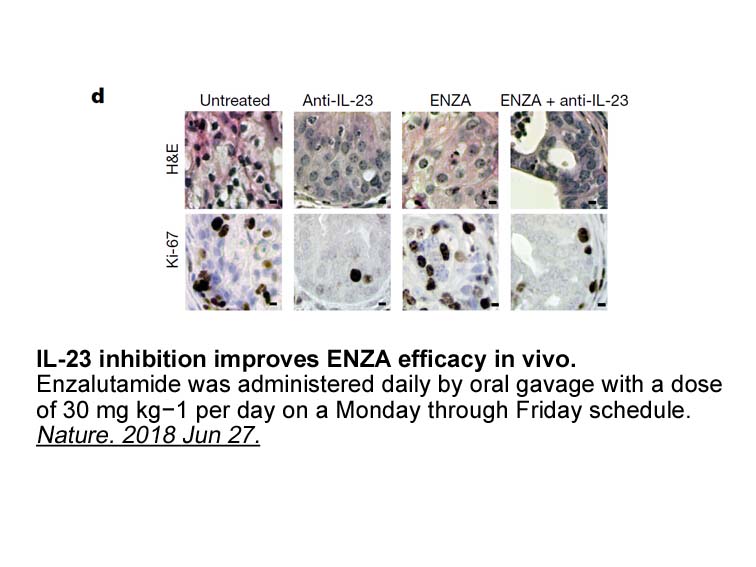
In this paper, we describe the formation of a structure-based pharmacophore which lead to the discovery of several hydrophobic, yet non-lipid inhibitors of ATX. These compounds docked within the same volume occupied by the initial non-lipid inhibitors of ATX used to build the pharmacophore. Violatio
8386 records 276/560 page Previous Next First page 上5页 276277278279280 下5页 Last page