Archives
- 2026-05
- 2026-04
- 2026-03
- 2026-02
- 2026-01
- 2025-12
- 2025-11
- 2025-10
- 2025-09
- 2025-03
- 2025-02
- 2025-01
- 2024-12
- 2024-11
- 2024-10
- 2024-09
- 2024-08
- 2024-07
- 2024-06
- 2024-05
- 2024-04
- 2024-03
- 2024-02
- 2024-01
- 2023-12
- 2023-11
- 2023-10
- 2023-09
- 2023-08
- 2023-07
- 2023-06
- 2023-05
- 2023-04
- 2023-03
- 2023-02
- 2023-01
- 2022-12
- 2022-11
- 2022-10
- 2022-09
- 2022-08
- 2022-07
- 2022-06
- 2022-05
- 2022-04
- 2022-03
- 2022-02
- 2022-01
- 2021-12
- 2021-11
- 2021-10
- 2021-09
- 2021-08
- 2021-07
- 2021-06
- 2021-05
- 2021-04
- 2021-03
- 2021-02
- 2021-01
- 2020-12
- 2020-11
- 2020-10
- 2020-09
- 2020-08
- 2020-07
- 2020-06
- 2020-05
- 2020-04
- 2020-03
- 2020-02
- 2020-01
- 2019-12
- 2019-11
- 2019-10
- 2019-09
- 2019-08
- 2019-07
- 2019-06
- 2019-05
- 2019-04
- 2018-11
- 2018-10
- 2018-07
-
PI3K Akt mTOR Compound Library Based on their different sour
2023-07-27
Based on their different sources, the APN inhibitors (APNIs) can be divided into the natural products and synthetic compounds. Bestatin (1, Fig. 1), isolated from the Streptomyces oliuoreticuli by Umezawa et al., is the first reported and only marketed natural dipeptidomimetic inhibitor of APN. Afte
-
br Downstream signalling of AKT A consensus phosphorylation
2023-07-27
Downstream signalling of AKT A consensus phosphorylation motif has been described for AKT substrates: R-X-R-X-X-S/T-B where X represents any amino ZSTK474 and B represents bulky hydrophobic residues (Alessi, Caudwell, Andjelkovic, Hemmings, & Cohen, 1996). Numerous AKT substrates have been publis
-
The activation of P Rs modulates the activity of
2023-07-27
The activation of P1Rs modulates the activity of many ion channels and receptors (Sebastião and Ribeiro, 2009) and the recent detection of P1Rs at the postsynaptic level of the adult NMJ (Garcia et al., 2014) makes potentially possible an adenosine-mediated modulation of the nicotinic umi 2 recepto
-
Salivary amylase activity was not significantly different be
2023-07-27
Salivary α-amylase activity was not significantly different between bitches with pyometra and healthy bitches, and there were no significant changes after ovariohysterectomy, similar to chromogranin A (Jitpean et al., 2015). Therefore, it is postulated that the SAM axis is not activated in bitches w
-
br Conclusions and future directions Translation of the
2023-07-27
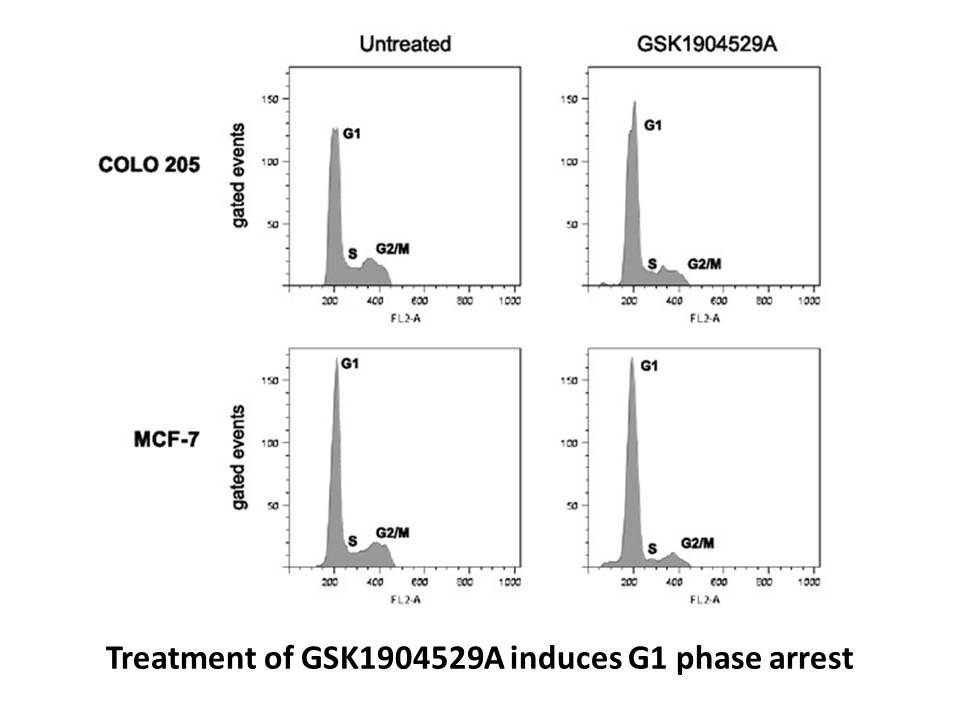
Conclusions and future directions Translation of the therapy to human MG will require a substitute adjuvant for IFA. Most human vaccines use aluminum salts (alum) as adjuvants. Both IFA and alum selectively promote antibody dominated Th 2 immune responses, rather than T killer cell dominated Th 1
-
The anorexic effect observed when AR is infused
2023-07-26

The anorexic effect observed when AR231630 is infused into the VTA could be the result of the DA release inhibition, as previously described [11]. However, there is also a hedonic aspect in feeding that possibly involves dopaminergic mechanisms of reward. Helm et al. showed a functional link between
-
br Conclusion br Acknowledgments This research has been supp
2023-07-26
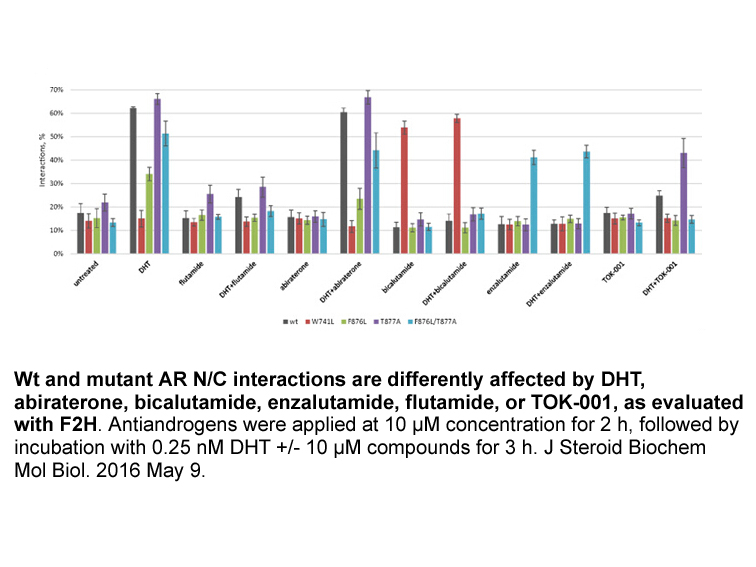
Conclusion Acknowledgments This research has been supported by the Ratchadaphiseksomphot Endowment Fund 2013 of Chulalongkorn University (CU-56-341-AS) and the Ratchadapiseksompotch Fund (RA55/22), Faculty of Medicine, Chulalongkorn University. The authors commemorate the 100th Anniversary of
-
br Regulation of V ATPase assembly in response to
2023-07-26

Regulation of V-ATPase assembly in response to changes in amino (R)-(-)-Niguldipine hydrochloride levels A central regulator of cell growth and metabolism is mTORC1 [38]. mTORC1 integrates signals from nutrient availability and growth factor receptors to control such processes as protein and lip
-
Then Autodock was employed for site directed
2023-07-26
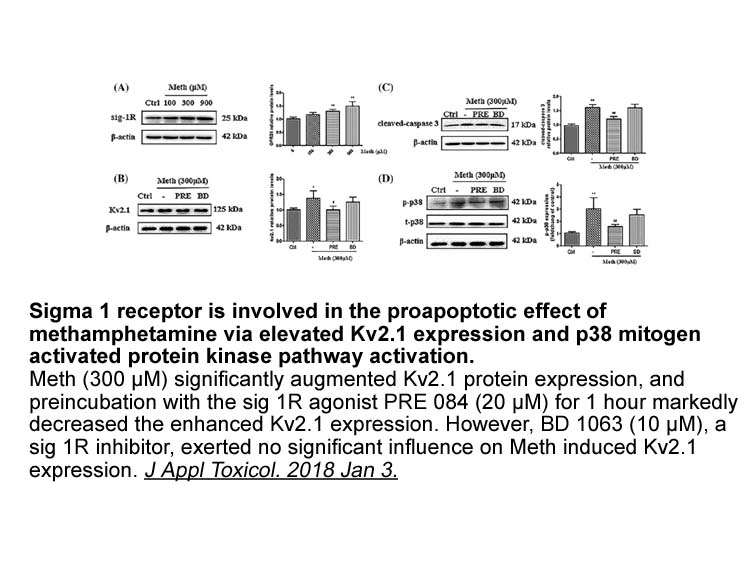
Then, Autodock4.2 was employed for site directed docking on AD with the ligands of the cluster(s) having high binding affinities in VS II experiment (Morris et al., 2009). Docking protocols were followed as per our earlier report with 200 GA (genetic algorithm) run (Kalani et al., 2015). Likewise, l
-
According to the diversity in molecular skeletons aromatase
2023-07-26
According to the Capecitabine in molecular skeletons, aromatase inhibitors can be categorized into two types: steroidal and non-steroidal blockers [6]. Steroidal AI (e.g., exemestane in Fig. 1) derived from the substrate androstenedione interacts with aromatase through chemical actions, resulting i
-
Coincident with APJ receptor several cell
2023-07-26
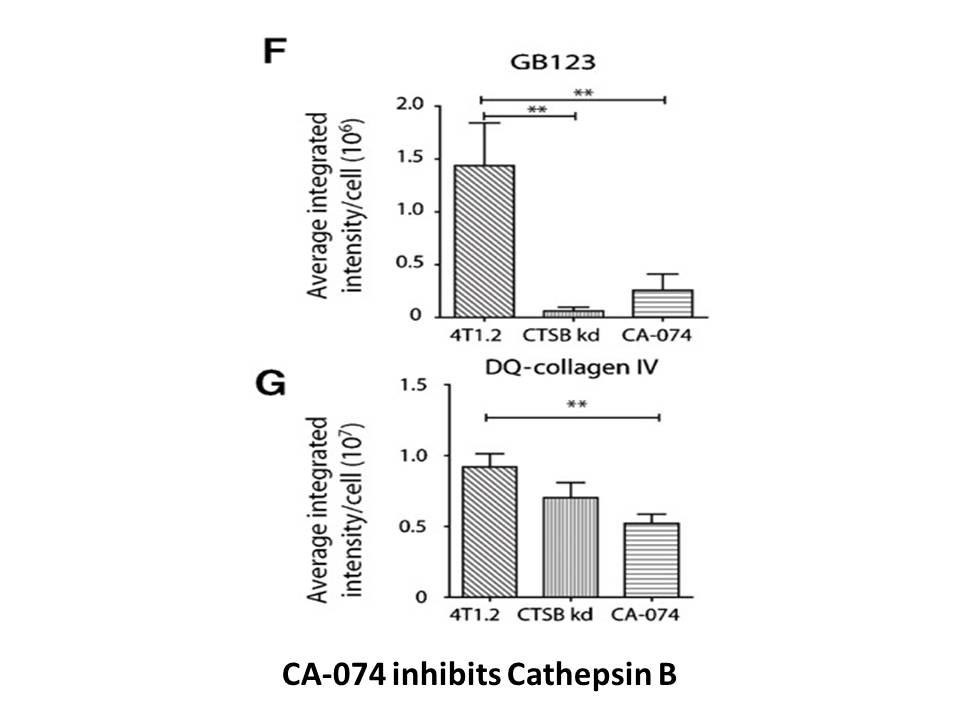
Coincident with APJ receptor, several cell types in the body can synthesize apelin protein. For example, the highest apelin concentrations in the body have been found in the rat central nervous system, pituitary gland, lungs, cardiac muscle, gastrointestinal tract and mammary glands, with lower valu
-
Besides one should also consider that all antioxidant
2023-07-26
Besides, one should also consider that all antioxidant compounds (free soluble or insoluble bounds) exist all together in colon, where radicals and antioxidant compounds react continuously with each other. At this point, after the consumption of antioxidants bound to dietary fiber, they reach the co
-
To further address the mechanism of Didox s suppressive effe
2023-07-26
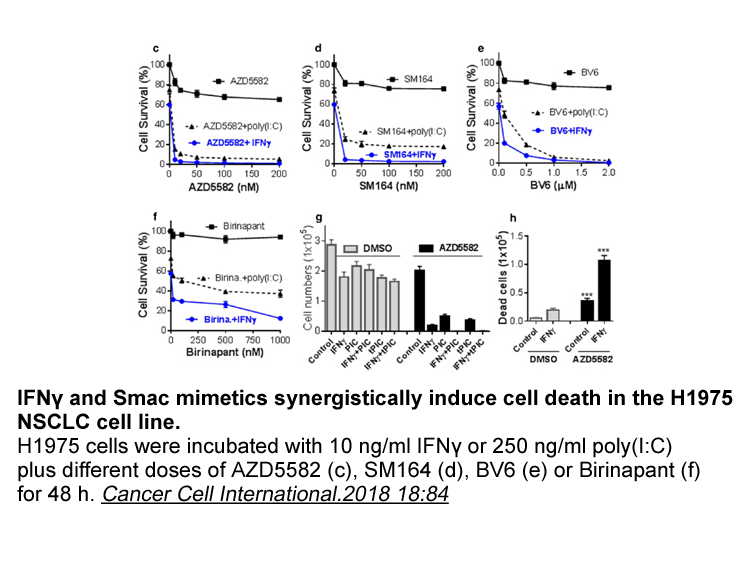
To further address the mechanism of Didox’s suppressive effects on mast cell activation, FceRI receptor glucose transporter and downstream transcription factor induction were assessed. We found that Didox had no effect on FceRI surface expression, and thus concluded that Didox effects must be occurr
-
MiR has already been implicated in the protective effects of
2023-07-26
MiR-21 has already been implicated in the protective effects of Res on lung fibrosis, but the molecular mechanisms are underexplored. Our results showed a clear increase of activation protein 1 (AP-1) activity after TGF-β treatment, which was suppressed by Res in a dose-dependent manner, suggesting
-
The PDZ domains of DLG
2023-07-26
The PDZ domains of DLG interact with tumor suppressor proteins, APC and PTEN, as well as with several viral oncoproteins such as the E6 protein present in oncogenic human papillomavirus (reviewed in [177]). It has been reported that overexpression of DLG in fibroblasts impairs the events in the G0/G
16274 records 324/1085 page Previous Next First page 上5页 321322323324325 下5页 Last page