Archives
- 2026-09
- 2026-08
- 2026-07
- 2026-06
- 2026-05
- 2026-04
- 2026-03
- 2026-02
- 2026-01
- 2025-12
- 2025-11
- 2025-10
- 2025-09
- 2025-03
- 2025-02
- 2025-01
- 2024-12
- 2024-11
- 2024-10
- 2024-09
- 2024-08
- 2024-07
- 2024-06
- 2024-05
- 2024-04
- 2024-03
- 2024-02
- 2024-01
- 2023-12
- 2023-11
- 2023-10
- 2023-09
- 2023-08
- 2023-07
- 2023-06
- 2023-05
- 2023-04
- 2023-03
- 2023-02
- 2023-01
- 2022-12
- 2022-11
- 2022-10
- 2022-09
- 2022-08
- 2022-07
- 2022-06
- 2022-05
- 2022-04
- 2022-03
- 2022-02
- 2022-01
-
It has been shown that ACLY is localized to
2024-10-08
It has been shown that ACLY is localized to not only the cytoplasm but also the nucleus. Nuclear ACLY may supply acetyl-CoA for histone acetylation, leading to global regulation of the gene expression [16], [18]. We previously reported that AZ2 is also localized to both the cytoplasm and nucleus whe
-
We also show that in both ATM
2024-10-08
We also show that in both ATM proficient and deficient/mutant made in pcr the activation of ATR signaling is DSB complexity-dependent (Figs. 1, 4A, C and E, 6A and B). Wang et al. have also reported that the effects of ATR and CHK1 on radiosensitivity are independent of the NHEJ repair pathway [41]
-
The studies have described that Candida non
2024-10-08

The studies have described that Candida non-albicans are considered as remarkable pathogenic agents of OPC, and among them, C. tropicalis and C. glabrata are known as major strains that may replace C. albicans as the greatest causing agent of this infection [20], [21]. It has been shown that Candida
-
Methods We conducted a secondary analysis of an
2024-10-08
Methods We conducted a secondary analysis of an extant cohort of 580 infants hylaxis, premature rupture of membranes, chorioamnionitis, and to prolong pregnancy (latency). Maternal antibiotic exposure did not include Schizandrin A synthesis given after the time of delivery or antibiotic initiated b
-
Finally microRNAs miRNA seem to play an important role
2024-10-03

Finally, microRNAs (miRNA) seem to play an important role in AR signaling in BC. Some authors have described a differential HhAntag australia of miRNAs in AR-positive BCs compared to AR-negative ones. VEGF and mTOR pathways were also reported as implicated in miRNA dysregulation, suggesting a commo
-
Similar studies in Swedish Mutation of APP AD transgenic mic
2024-10-03
Similar studies in Swedish Mutation of APP AD transgenic mice revealed reduced dynamin 1, AP180, and synaptophysin expression in the hippocampus, particularly prominent in the CA1 and CA4 subfields [19]. These findings imply that Aβ can act not only as a modulator of exocytosis but is a potent regul
-
Globally the total number of patients
2024-10-03
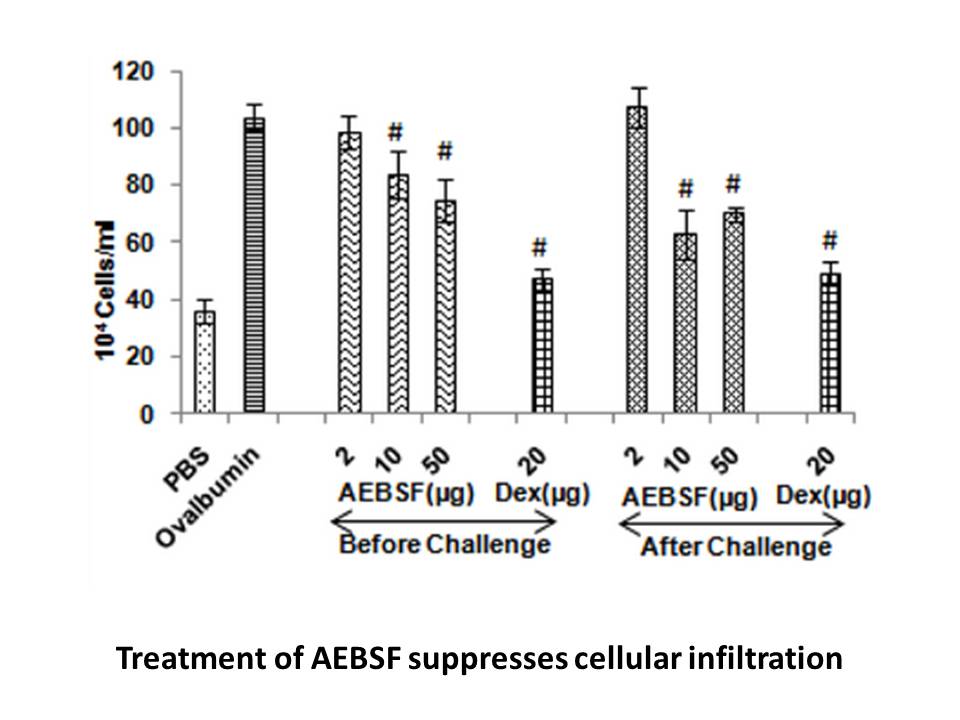
Globally, the total number of patients included in the meta-analysis was 1885, ranging from 40 to 442 patients per study. All eligible studies reported the association between ALDH1 expression and patients' OS [24-26, 3241], whereas nine studies evaluated the relationship between ALDH1 expression an
-
br Conflict of interest statement br Introduction
2024-10-03
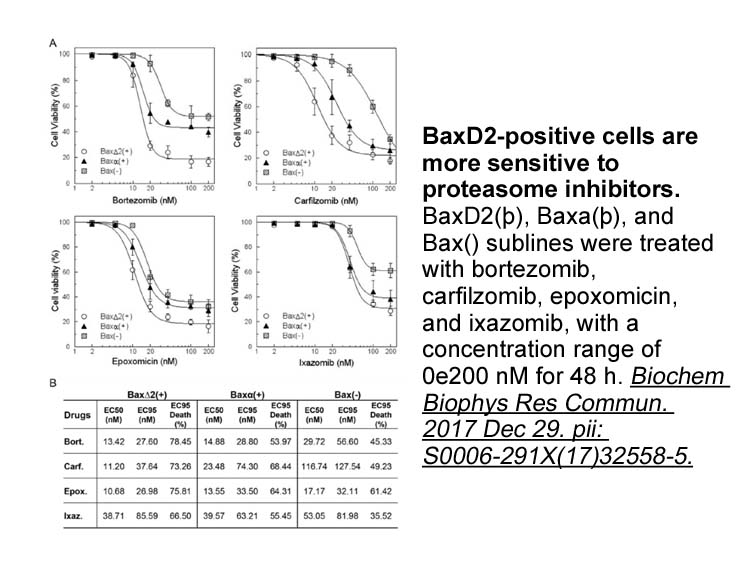
Conflict of interest statement Introduction Human saliva contains many detoxifying and antioxidant ikk inhibitor like glutathione S-transferase, catalase, peroxidase, aldehyde dehydrogenase (ALDH), etc. [1]. Human salivary ALDH (hsALDH) protects individuals from toxic aldehydes contained in f
-
Adenosine is a ubiquitous homeostatic substance released fro
2024-10-03
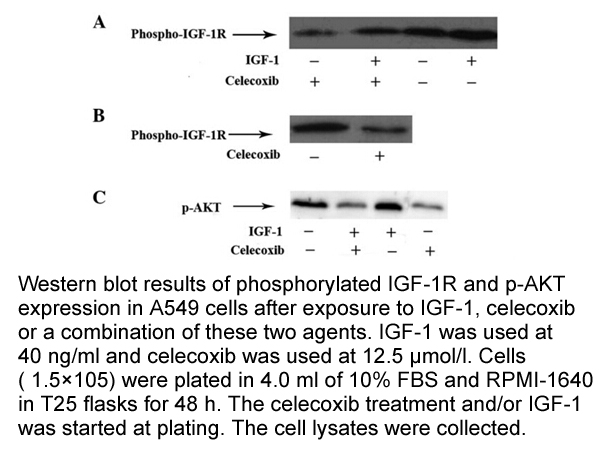
Adenosine is a ubiquitous homeostatic substance released from most cells, including neurons and glias. Endogenous adenosine acts at four principal G-protein-associated receptor subtypes: A1, A2a, A2b and A3 (Ralevic and Burnstock, 1998). The stimulation of adenosine receptors by extracellular adenos
-
Having taken a step back from affinity to
2024-10-01
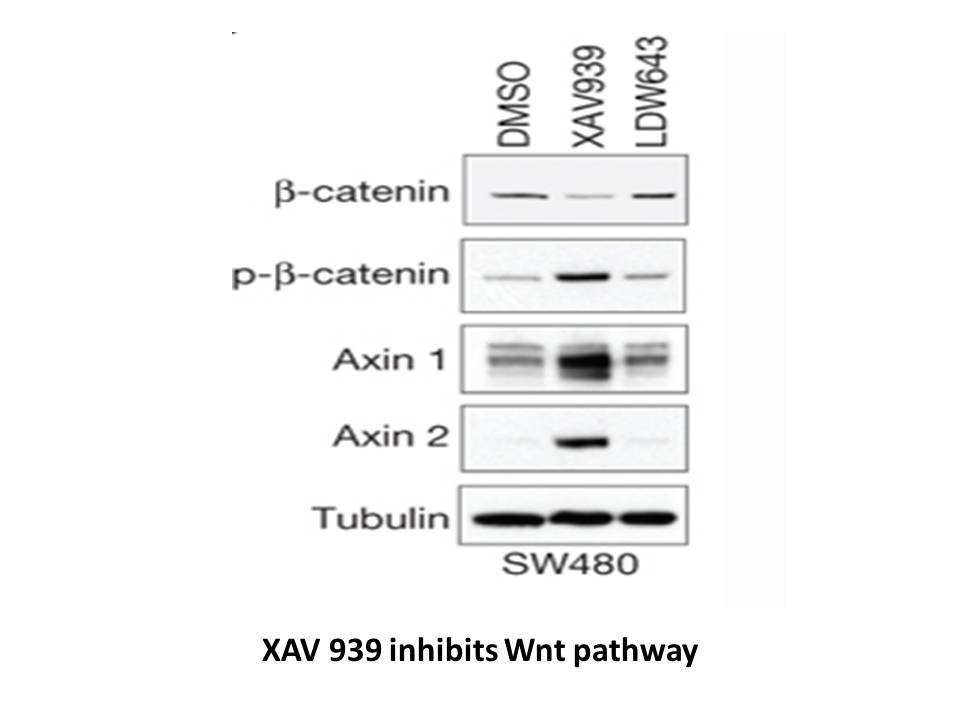
Having taken a step back from affinity to gain better exposure and solubility, we started work to replace the unstable oxazolinone, and address the selectivity over the hERG channel. Keeping in mind the binding mode of the series from crystal structures, triazole was identified as another mildly aci
-
Here we investigate the ATM to ATR
2024-10-01
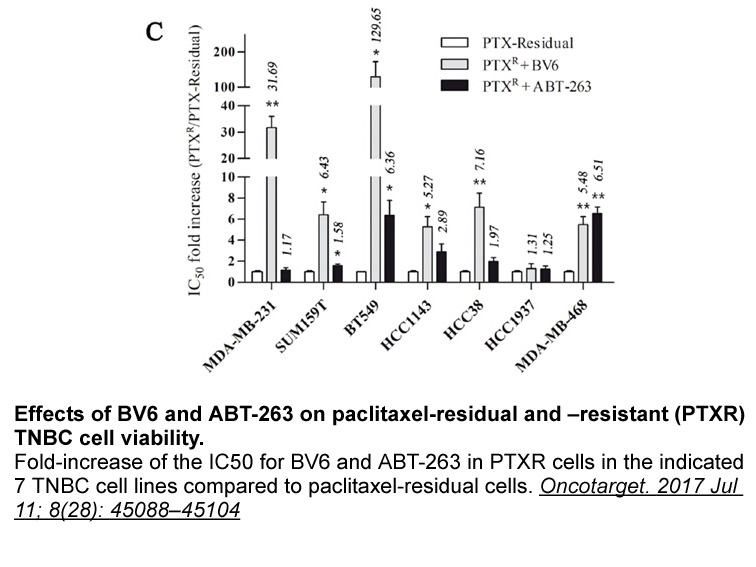
Here, we investigate the ATM to ATR switch in normal human fibroblasts (82-6 cells) after irradiation with γ-rays, or high LET 56Fe and 28Si and moderate LET 16O particles. Our data provide important evidence of LET dependence on the transition of ATM to ATR as well as end resection at the sites of
-
These PrPIF are detected in untreated
2024-10-01
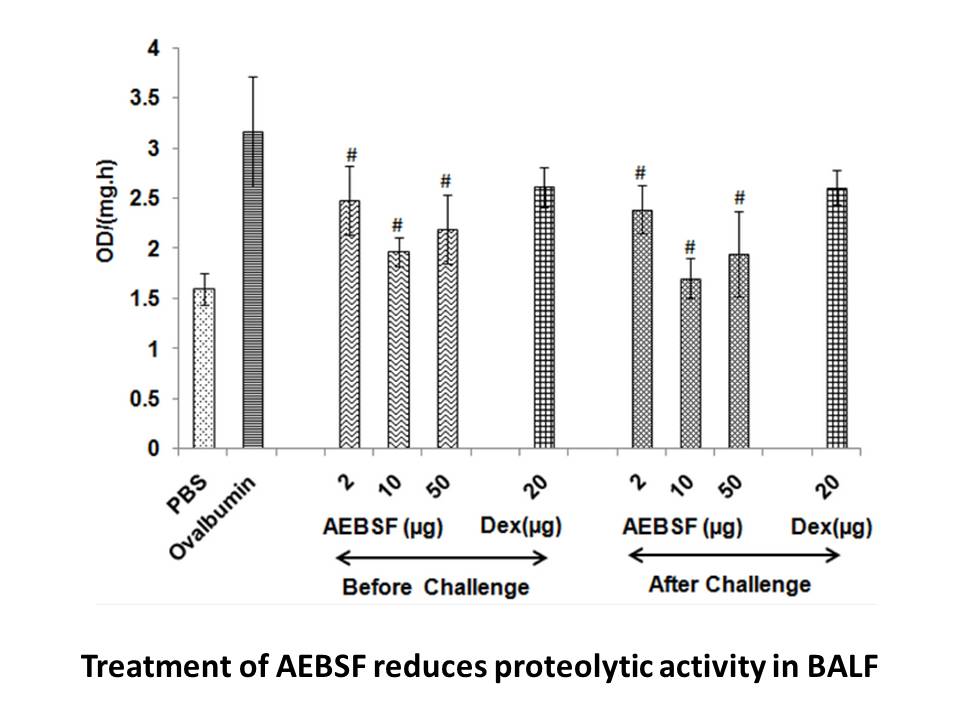
These PrPIF are detected in untreated cell lysate extracts but are consistently enriched following proteinase K (PK) treatment. The biochemical characterization of pathologic PrP has been carried out in most hereditary PrP cerebral amyloidosis associated with PrP mutations and the biochemical PrP p
-
br Author contributions br Funding This work was supported
2024-09-30
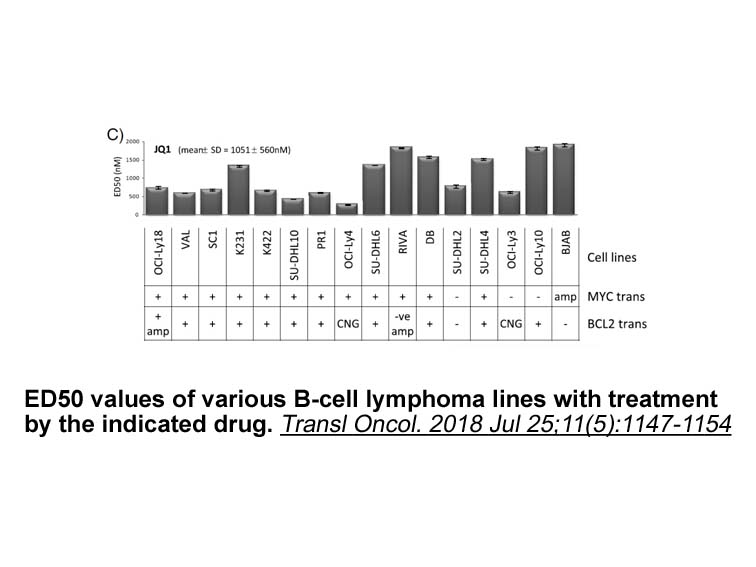
Author contributions Funding This work was supported by the Czech Science Foundation, project no. 14-16220S. Additional support was provided by NIH R01CA117907 grant awarded to J.M.E. Conflict of interest Introduction The dioxin-like family includes polyhalogenated aromatic hydrocarbons
-
Based on the observation that antipsychotic drugs increase H
2024-09-30
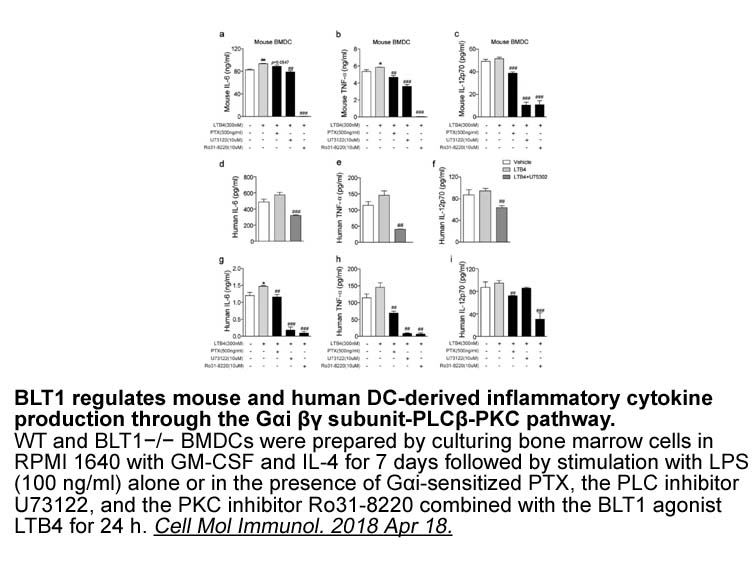
Based on the observation that antipsychotic drugs increase 5-HT1A–D2 heteromerization level (Łukasiewicz et al., 2016), we set out to compare the effect of paroxetine to that of risperidone. Paroxetine, a potent SSRI, is very effective in the treatment of depression and anxiety disorders, e.g., gene
-
Although the immobilization by histidine tag
2024-09-30
Although the immobilization by histidine tag exhibits effectiveness in oriented enzyme immobilization, it still faces some challenges [31]. On one hand, some unnecessary metal-binding proteins that interfere with the combination between the target protein and the supports or the additional interacti
8309 records 100/554 page Previous Next First page 上5页 96979899100 下5页 Last page