Archives
- 2026-09
- 2026-08
- 2026-07
- 2026-06
- 2026-05
- 2026-04
- 2026-03
- 2026-02
- 2026-01
- 2025-12
- 2025-11
- 2025-10
- 2025-09
- 2025-03
- 2025-02
- 2025-01
- 2024-12
- 2024-11
- 2024-10
- 2024-09
- 2024-08
- 2024-07
- 2024-06
- 2024-05
- 2024-04
- 2024-03
- 2024-02
- 2024-01
- 2023-12
- 2023-11
- 2023-10
- 2023-09
- 2023-08
- 2023-07
- 2023-06
- 2023-05
- 2023-04
- 2023-03
- 2023-02
- 2023-01
- 2022-12
- 2022-11
- 2022-10
- 2022-09
- 2022-08
- 2022-07
- 2022-06
- 2022-05
- 2022-04
- 2022-03
- 2022-02
- 2022-01
-
Several genes related to metabolism
2023-09-09
Several genes related to metabolism, post-transcriptional regulation, chromatin structure, and signaling pathways are required for the sexual development and virulence of G. zeae (Baldwin et al., 2010, Bluhm et al., 2007, Ding et al., 2009, Han et al., 2007, Hou et al., 2002, Jenczmionka et al., 200
-
Z-YVAD-FMK synthesis br Results br Discussion Both ATM and A
2023-09-09
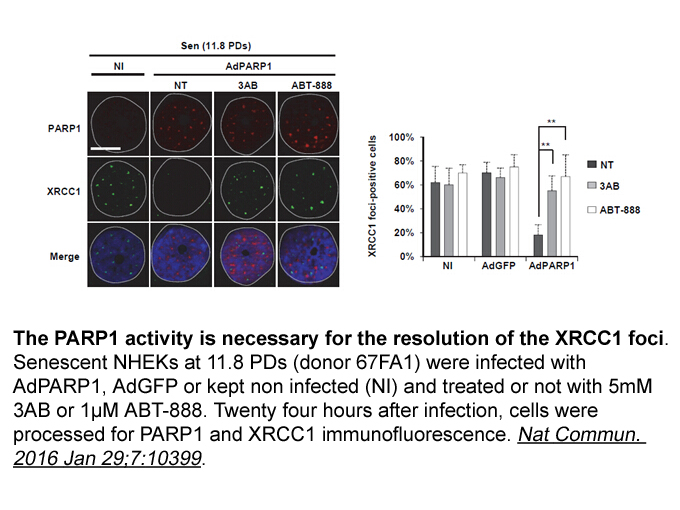
Results Discussion Both ATM and ATR are key regulators of the cellular response to DSBs, yet how exactly they function in concert is not well understood. Recent studies revealed that ATM is required for the resection of DSBs (Jazayeri et al., 2006, Myers and Cortez, 2006), a process necessary
-
The finding that OCT is expressed in the nucleus
2023-09-08
The finding that OCT3 is expressed in the nucleus accumbens (Gasser et al., 2009) suggests that inhibition of this transporter may underlie previously described effects of glucocorticoids on extracellular DA concentrations and indicates that DA clearance in this region is not mediated exclusively by
-
Nutritional factors affecting ASD have also
2023-09-08
Nutritional factors affecting ASD have also recently received attention. An increase in postsynaptic zinc (Zn) level induced by clioquinol (a Zn chelator and ionophore), and the subsequent activation of NMDA receptors through the tyrosine kinase Src, rescued social interaction in Shank2−/− mice (Lee
-
br Acknowledgements MC and PD were funded
2023-09-08
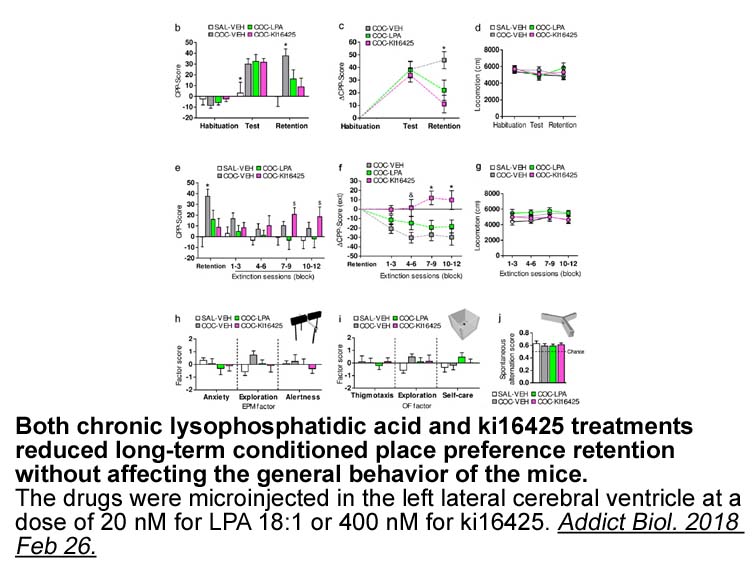
Acknowledgements MC and PD were funded by the Michael J Fox Foundation (Grant ID 9969). We would like to thank Pierluigi Saba, Francesco Traccis and Barbara Tuveri for their technical assistance. Introduction In the prostate, androgens play a crucial role in normal, BPH and cancerous growth b
-
Imatinib is a well known anticancer drug used in
2023-09-08
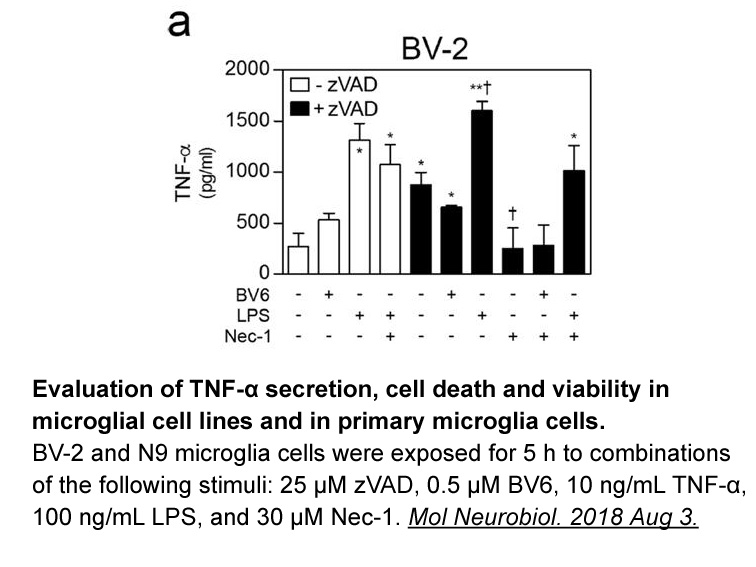
Imatinib is a well-known anticancer drug used in Chronic Myeloid Leukemia (CML) against the altered expression/activity of tyrosine kinase resulting from the fusion of BCR-ABL in leukemic blasts. It has been demonstrated that Imatinib can induce autophagy in BCR-ABL expressing LY2228820 (K562 cell
-
PF-477736 br The role of apelin in hepatic diseases
2023-09-07
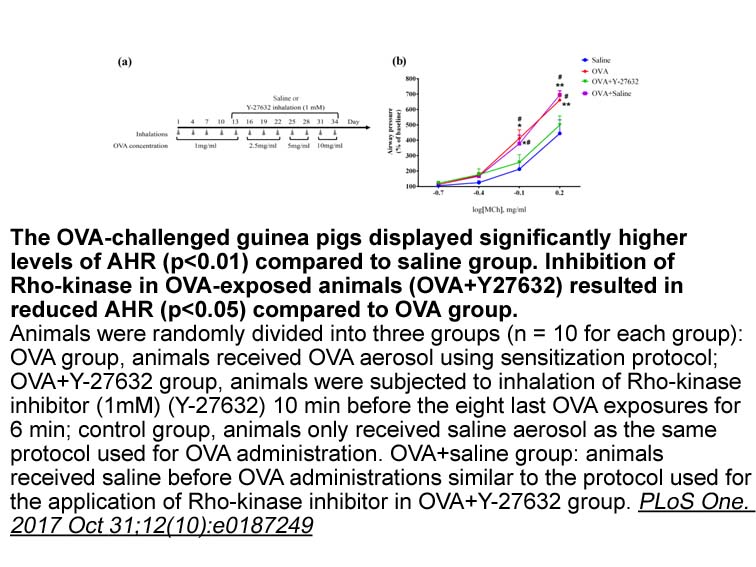
The role of apelin in hepatic diseases The involvement of the apelin/APJ system in liver physiology and pathology has been proven in numerous studies (Table 6). For instance, in the experiment of Emam et al. [63] on rats suffering from hepatic injury, apelin decreased the levels of ALT, AST and L
-
In conclusion there are only a
2023-09-07
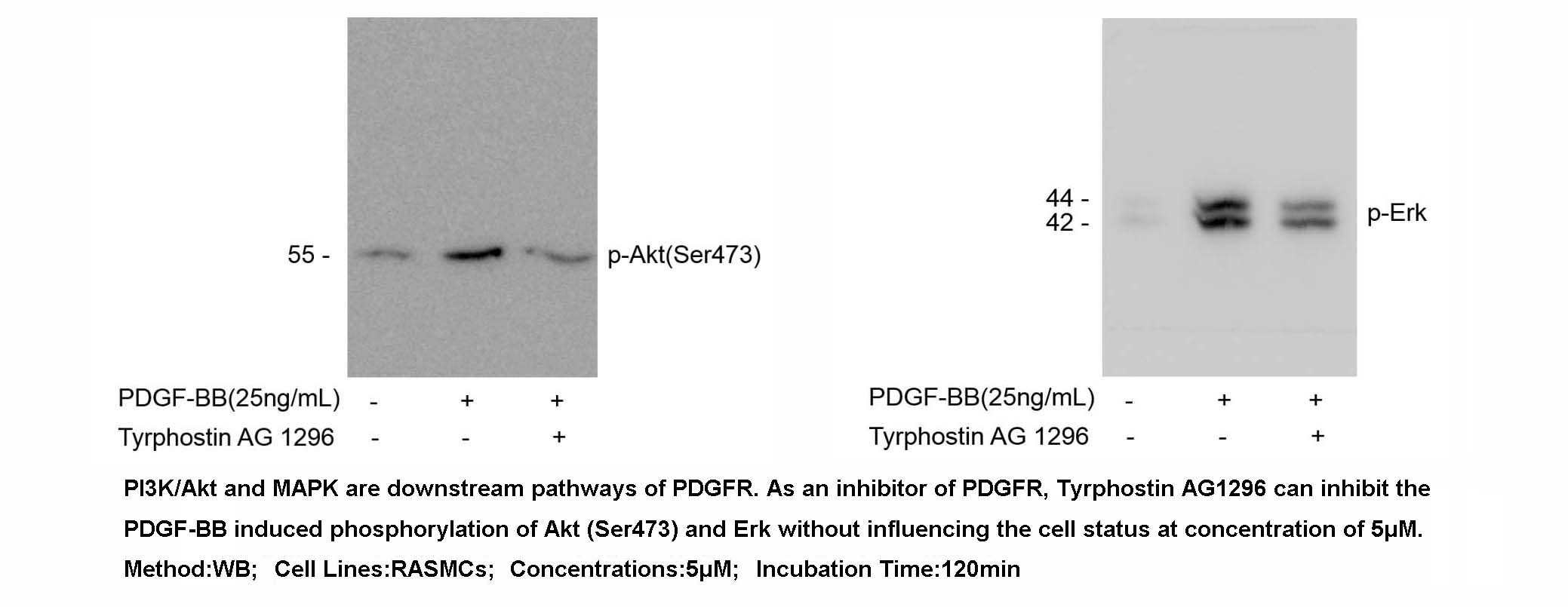
In conclusion, there are only a few experimental reports evaluating the influence of Ezatiostat on allergy. With the exception of studies using macrolides, most point to their harmful effect on the severity of this disease. Future studies will be crucial to define the impact of antibiotic use on al
-
Abnormalities in placentation in patients with
2023-09-07
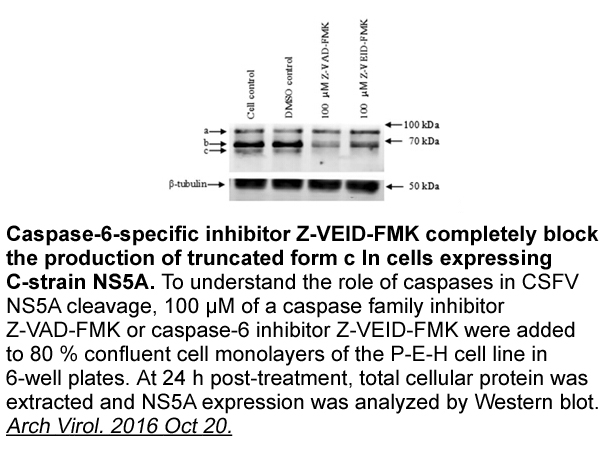
Abnormalities in placentation in patients with PE appear to be associated with changes in different components of the signaling pathway that mediates cytotrophoblast migration/invasion. Studies have showed that the activation of the Notch signaling pathway is associated with the differentiation and
-
The lack of benefit in terms of
2023-09-07
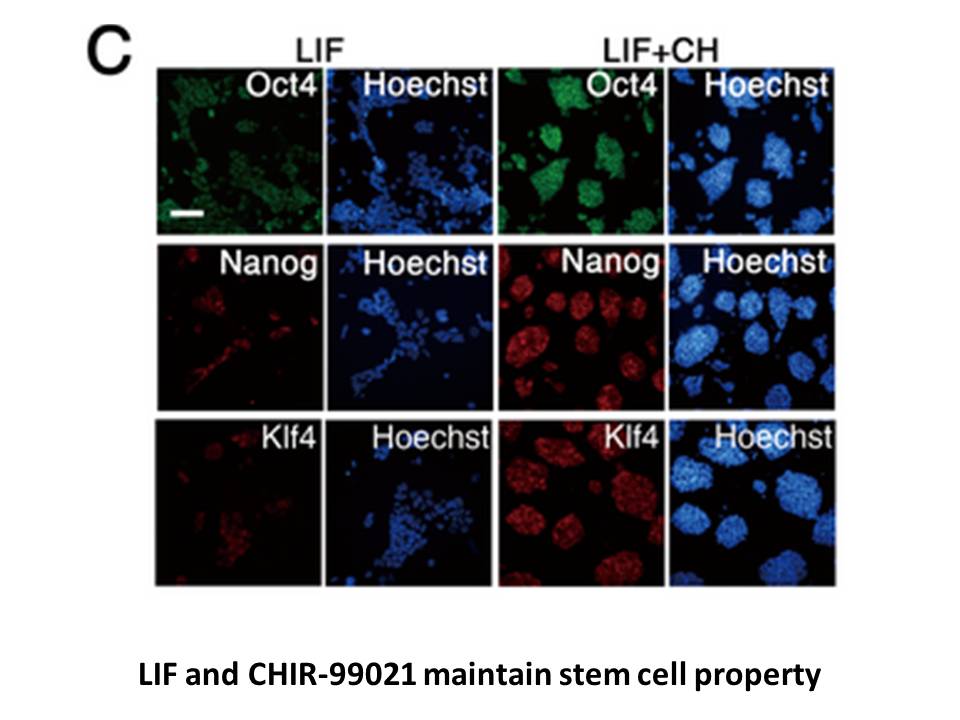
The lack of benefit in terms of overall survival for antiangiogenic treatment was similar when antiangiogenic drug was used both as first and second-line therapy, and both in association with cytotoxic treatment or alone. Noteworthy, a trend for an inferior outcome was observed in the group of patie
-
br Introduction Sustained over activation of
2023-09-07
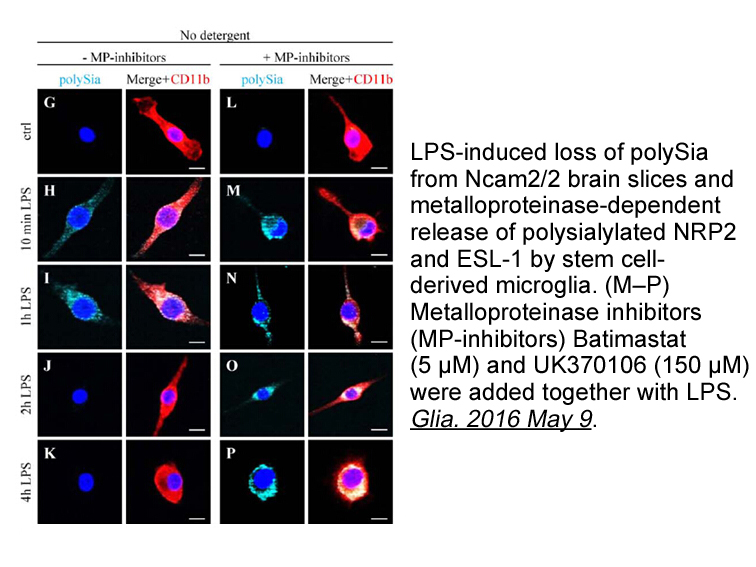
Introduction Sustained over-activation of neurohormonal systems is a hallmark in the pathophysiology of cardiac dysfunction following myocardial infarction (MI) and heart failure (HF). Inhibitors of the renin-angiotensin protease inhibitors system (RAAS) constitute cornerstones of pharmacotherap
-
Since all the above vascular
2023-09-07
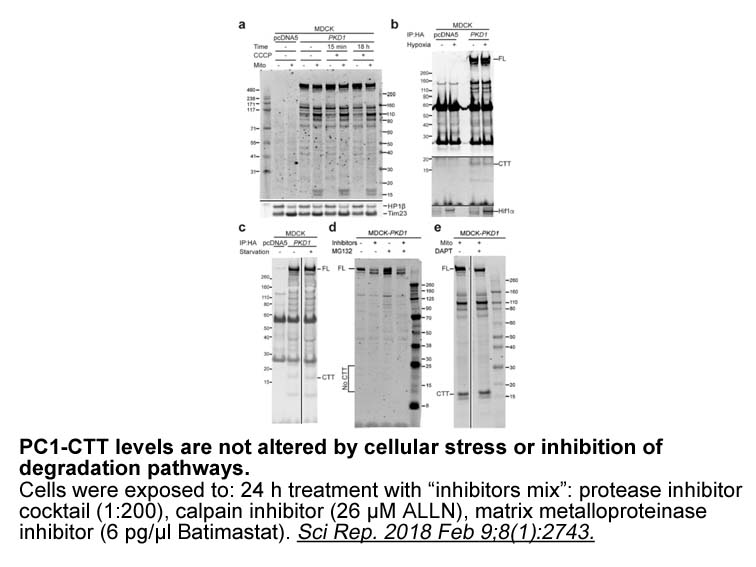
Since all the above vascular and glomerular effects contribute to blood pressure regulation, it is expected for 12/15-LOX pathway to play a role in pathogenesis of hypertension (Fig. 6). Indeed, there is evidence for alterations of the 12- and 15LOX enzymes and metabolites both in humans with essent
-
br Functions essentially consisting in transport of substrat
2023-09-07

Functions essentially consisting in transport of substrates across plasma membranes Direct activation of neurotransmitter transporters elicits responses in neurons As previously mentioned (Section 2.1), nerve terminals handling classical transmitters possess transporters able to (re)capture se
-
gli1 br Mechanisms for regulation of intracellular
2023-09-07
Mechanisms for regulation of intracellular cholesterol homeostasis Cells maintain intracellular free cholesterol levels and distribution within stringent tolerances by several mechanisms [55]: (1) uptake of native LDL (the major extracellular carrier of cholesterol) by LDL receptors and modified
-
Adiponectin also works on AdipoR inducing extracellular Ca i
2023-09-07
Adiponectin also works on AdipoR1, inducing extracellular Ca2+ influx necessary for activation of Ca2+/calmodulin-dependent protein kinase kinase (CaMKK)β, AMPK (Fig. 1). This step is then followed by activation of SirT1 and increased expression and decreased acetylation of PPARγ coactivator (PGC)-1
8315 records 307/555 page Previous Next First page 上5页 306307308309310 下5页 Last page