Archives
- 2026-10
- 2026-09
- 2026-08
- 2026-07
- 2026-06
- 2026-05
- 2026-04
- 2026-03
- 2026-02
- 2026-01
- 2025-12
- 2025-11
- 2025-10
- 2025-09
- 2025-03
- 2025-02
- 2025-01
- 2024-12
- 2024-11
- 2024-10
- 2024-09
- 2024-08
- 2024-07
- 2024-06
- 2024-05
- 2024-04
- 2024-03
- 2024-02
- 2024-01
- 2023-12
- 2023-11
- 2023-10
- 2023-09
- 2023-08
- 2023-07
- 2023-06
- 2023-05
- 2023-04
- 2023-03
- 2023-02
- 2023-01
- 2022-12
- 2022-11
- 2022-10
- 2022-09
- 2022-08
- 2022-07
- 2022-06
- 2022-05
- 2022-04
- 2022-03
- 2022-02
- 2022-01
-
In the present study we characterized
2022-08-02
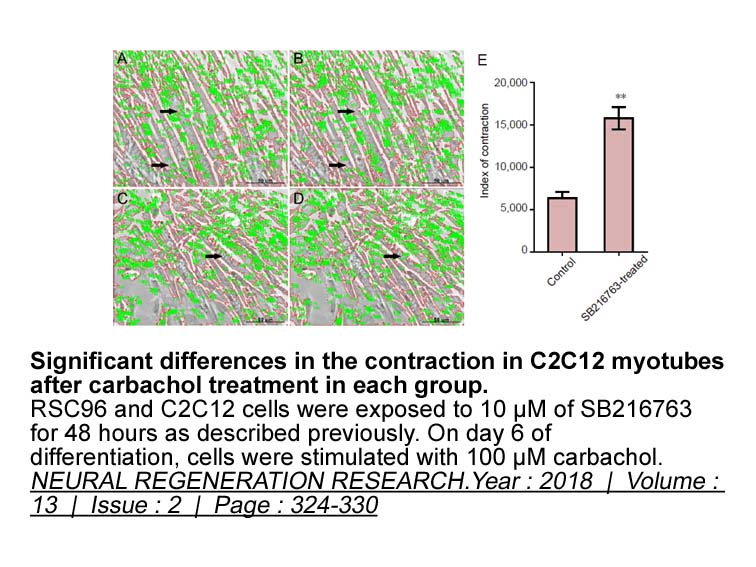
In the present study, we characterized the expression of glucose transporters in the developing and adult mouse lens and showed that GLUT1 is the primary transporter expressed in the lens epithelium. We found that mice with a homozygous deletion of Slc2a1 from the lens epithelium developed cataracts
-
br Mechanisms of action Ghrelin is a
2022-08-02
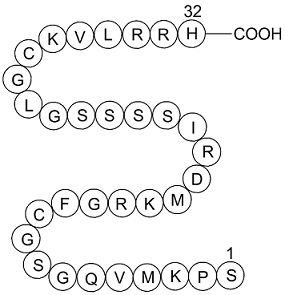
Mechanisms of action Ghrelin is a 28-amino BTB06584 peptide hormone primarily produced in the oxyntic mucosa of stomach, but also in other gastrointestinal tissues [7] (Fig. 1). It acts as the endogenous ligand for the ghrelin receptor [GHS-R1a] and causes the release of growth hormone from the
-
The NVC response in the diseased or aging brain
2022-08-02

The NVC response in the diseased or aging tak1 kinase may be altered, including changes in both the chemical mediators of NVC, ion channel behaviour, and the dynamics of the vascular system. For example, in Alzheimer’s disease the production of NO is shown to be inhibited (Lourenço et al., 2014), hy
-
The structural similarity software vROCS OpenEye has been ut
2022-08-02
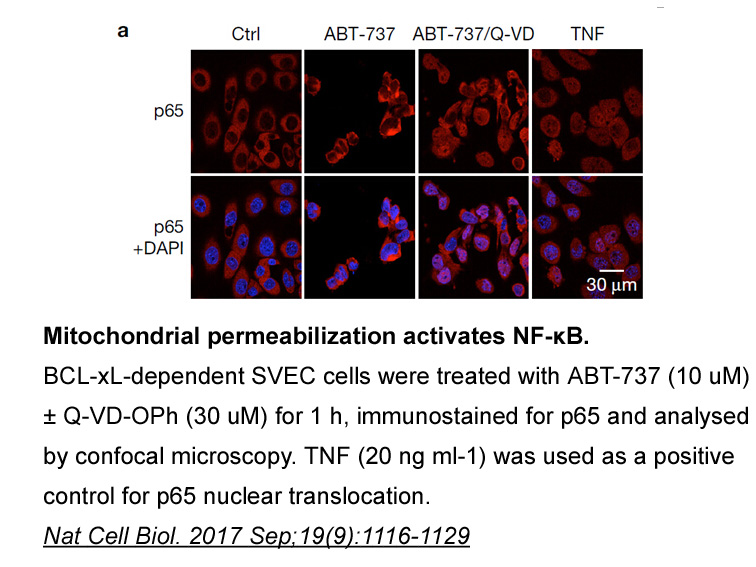
The structural similarity software vROCS (OpenEye) [45] has been utilized by Musumeci et al. [46] to screen the Maybridge [47] HitFinder database (∼14,400 compounds) using Distamycin A (Fig. 3B) as a query. Using the Tanimoto coefficient (Section 6.4) and vROCS's colour scoring (atom/feature similar
-
br Materials and methods br Results br Discussion In this
2022-08-02
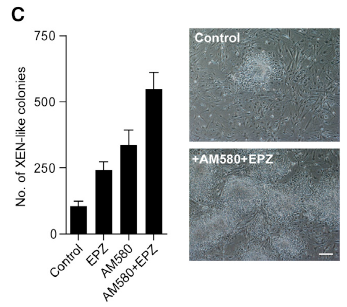
Materials and methods Results Discussion In this study, we identified a novel AMP scolopendrasin X from Scolopendra subspinipes mutilans through genome analysis. Scolopendrasin X stimulated neutrophil activity, resulting in calcium increase, chemotactic migration, and superoxide anion produ
-
DZNep is a PRC inhibitor that inhibits
2022-08-02
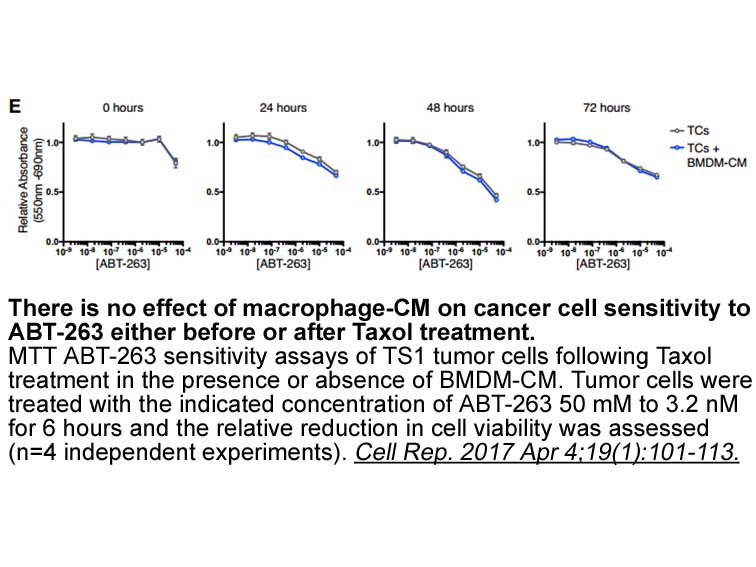
DZNep is a PRC2 inhibitor that inhibits S-adenosylhomocysteine hydrolase, resulting in cellular accumulation of S-adenosylhomocysteine. S-adenosylhomocysteine is a competitive inhibitor of methyl donor for methyltransferases [38]. DZNep targets EZH2 by reduction in the level of the enzyme H3K27me3 a
-
To address this we developed approaches to
2022-08-02
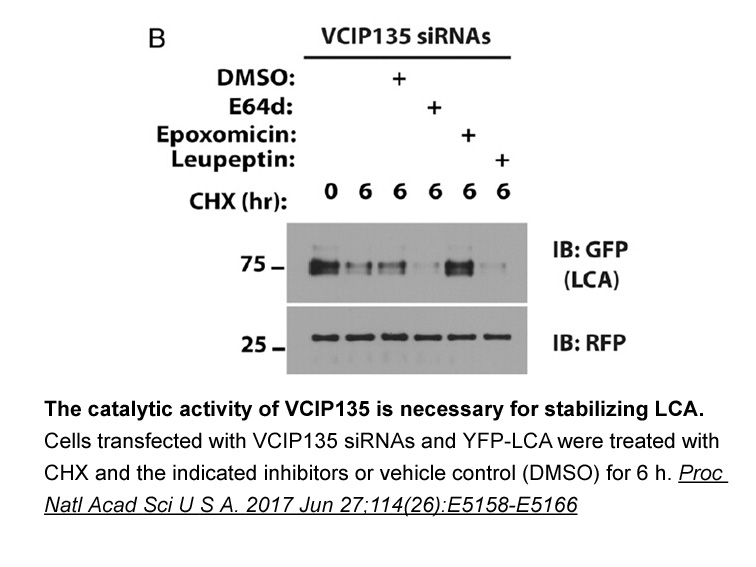
To address this, we developed approaches to image at high spatial and temporal resolution live WPB fusions as well as the release of VWF and other WPB cargo by spinning disk microscopy and combined laser ablation and total internal reflection fluorescence (TIRF) microscopy. Our live cell imaging rev
-
Introduction Histamine Imidazolyl ethylamine is an important
2022-08-01
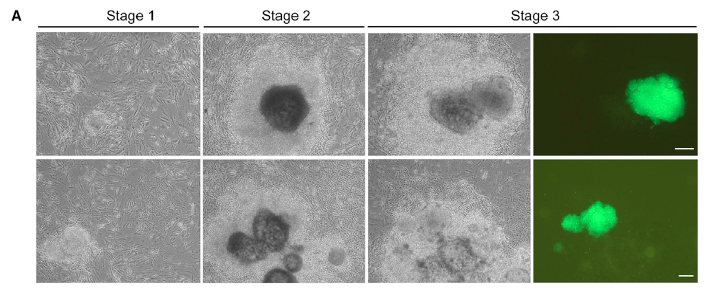
Introduction Histamine [2-(4-Imidazolyl)-ethylamine] is an important mediator of many physiological and pathological processes including inflammation, gastric NSC 207895 receptor secretion, neuromodulation, regulation of immune function, cell proliferation and differentiation, among others. Histam
-
To interrogate the molecular basis for the myocardial
2022-08-01
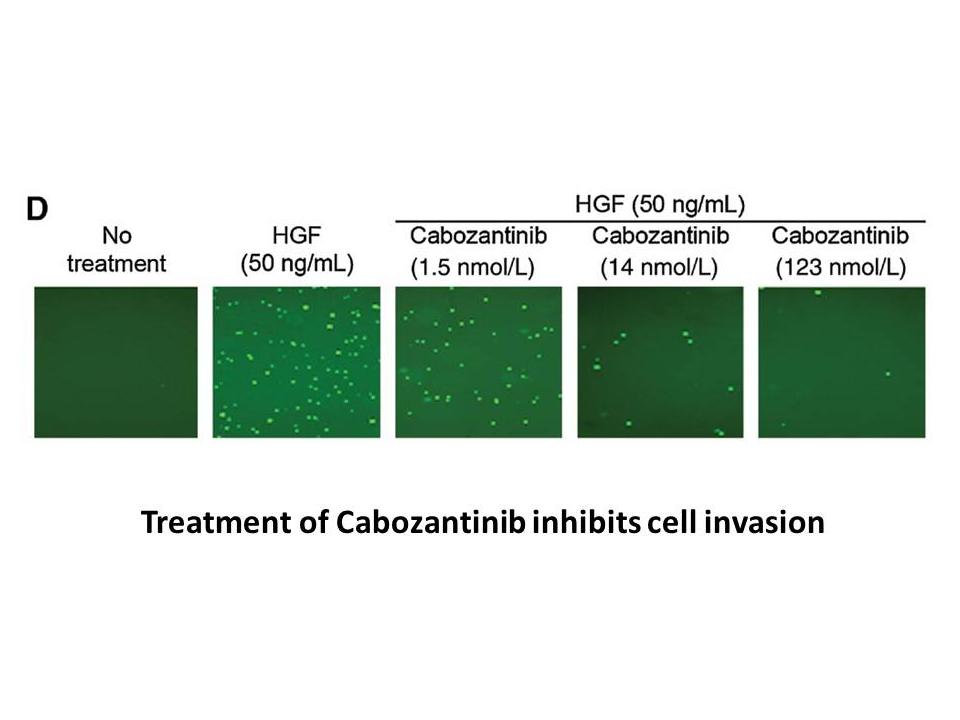
To interrogate the molecular basis for the myocardial phenotype in mutant hearts, we performed quantitative real-time PCR (qRT-PCR) expression analysis of genes encoding critical endocardium-derived molecules including Nrg1 and Efnb2. Nrg1 expression was reduced in E13.5 mutant hearts as compared to
-
LY2228820 The study by Pigna and
2022-07-30
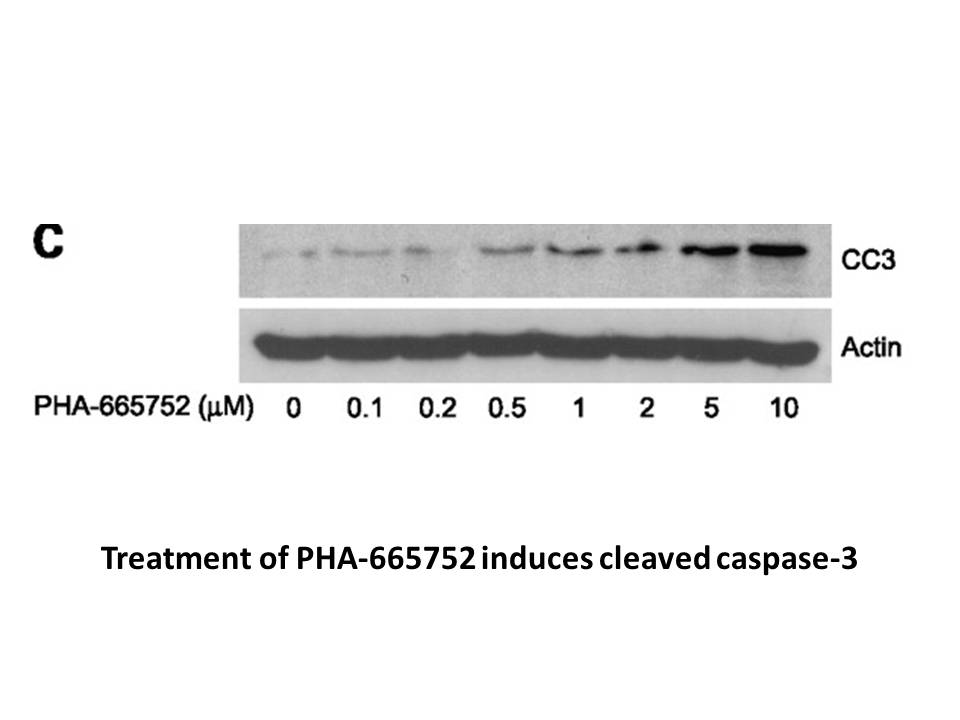
The study by Pigna and collaborators provides an elegant demonstration why class IIa HDAC inhibition may not be suitable to protect the neuromuscular function in ALS, consistent with a recent study that showed only a transient protection of motor performance after treatment of the same ALS model wit
-
Hepatitis C virus HCV is a
2022-07-30

Hepatitis C virus (HCV) is a frequent cause of infectious chronic hepatitis. Unlike hepatitis A and B, there is no vaccine to prevent hepatitis C infection yet. According to WHO, around 200 million people are infected with HCV worldwide [1], in addition to three to four million newly infected patien
-
br Results and discussion GSTP is
2022-07-30
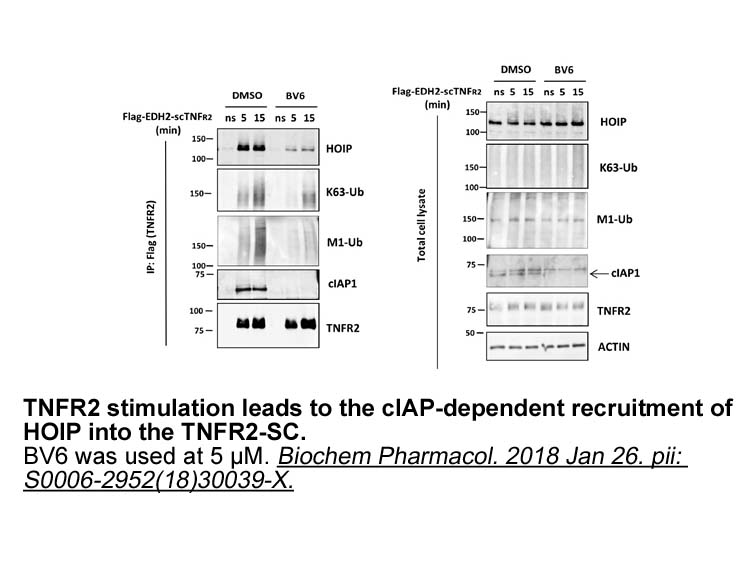
Results and discussion GSTP1 is a Phase II cytoprotective and detoxifying enzyme. Due to its role in the detoxification of numerous endogenous and exogenous chemical agents (with electrophilic functional groups), individuals with Ile105Val mutation in this gene show enhanced risk of atopic disor
-
A few of the islet specific proteins
2022-07-30
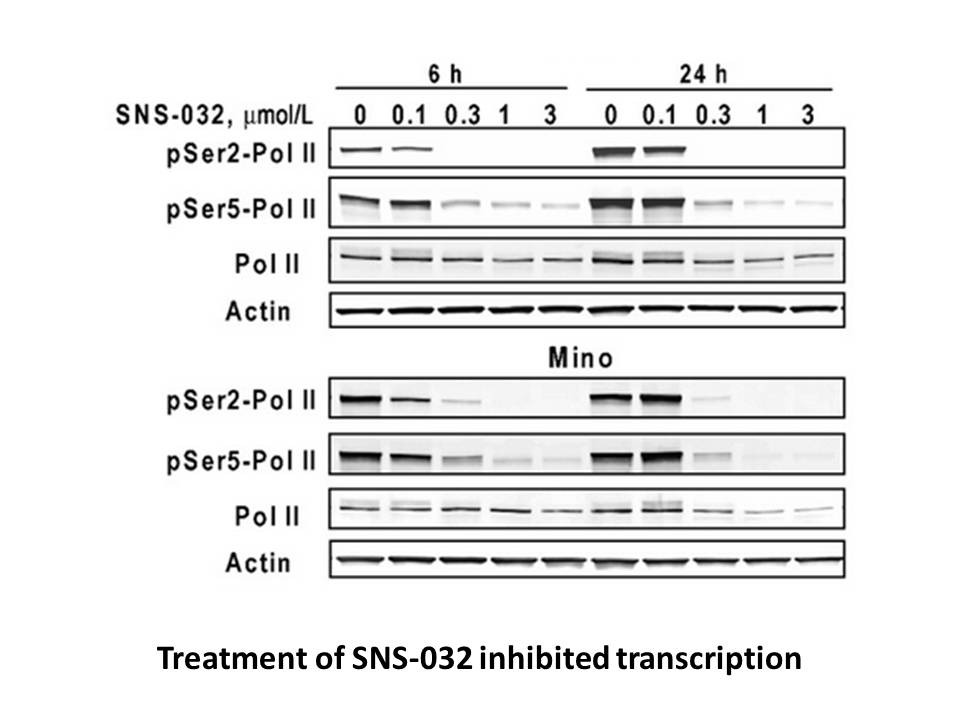
A few of the islet-specific proteins identified in the present study have previously been described in various contexts of pancreatic islets, i.e. PTPRN, SCG5, SCGN, SNAP25 and SNED1, validating the search algorithm applied and supporting the notion that also the novel proteins identified are indeed
-
A further generally applicable approach for
2022-07-29
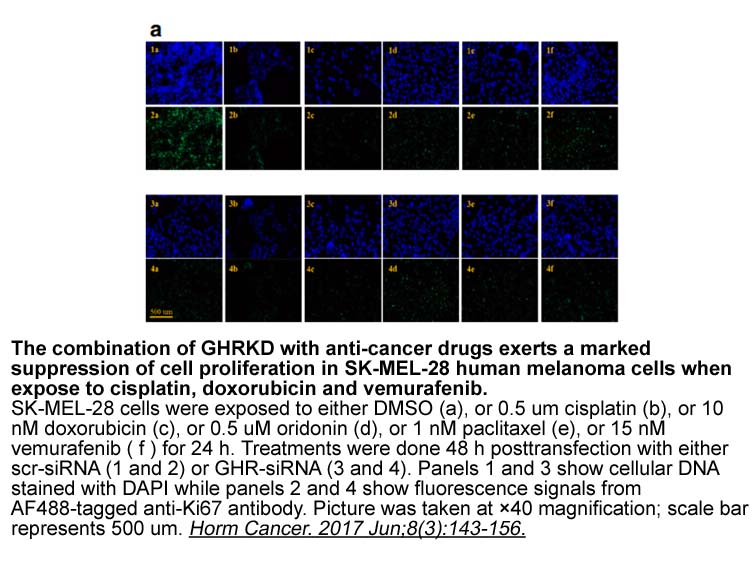
A further generally applicable approach for the synthesis of N-linked glycopeptides involves the convergent Lansbury aspartylation of glycosylamines. Here, the detrimental formation of aspartimides during the activation of the side chain aspartate can be prevented through the use of Ser/Thr pseudopr
-
br Conclusion Membrane transporters remain
2022-07-29
Conclusion Membrane transporters remain relatively understudied in human disease, especially TBI (Cesar-Razquin et al., 2015), and considerably less is known in terms of expression, function and substrates of membrane transporters in pediatric patients. However, their importance in maintaining es
8372 records 440/559 page Previous Next First page 上5页 436437438439440 下5页 Last page