Archives
- 2026-09
- 2026-08
- 2026-07
- 2026-06
- 2026-05
- 2026-04
- 2026-03
- 2026-02
- 2026-01
- 2025-12
- 2025-11
- 2025-10
- 2025-09
- 2025-03
- 2025-02
- 2025-01
- 2024-12
- 2024-11
- 2024-10
- 2024-09
- 2024-08
- 2024-07
- 2024-06
- 2024-05
- 2024-04
- 2024-03
- 2024-02
- 2024-01
- 2023-12
- 2023-11
- 2023-10
- 2023-09
- 2023-08
- 2023-07
- 2023-06
- 2023-05
- 2023-04
- 2023-03
- 2023-02
- 2023-01
- 2022-12
- 2022-11
- 2022-10
- 2022-09
- 2022-08
- 2022-07
- 2022-06
- 2022-05
- 2022-04
- 2022-03
- 2022-02
- 2022-01
-
MSG model is well characterized and widely used
2025-01-09
MSG model is well characterized and widely used because it is not influenced by dietary components and because it mimics a lesion in the arcuate nucleus and lateral hypothalamus that can occur in chronic obese patients (Moraes et al., 2009, Purkayasta and Cai, 2013). High fat fed diet is amongst the
-
Tropomyosi http www apexbt com media diy images wb
2025-01-09
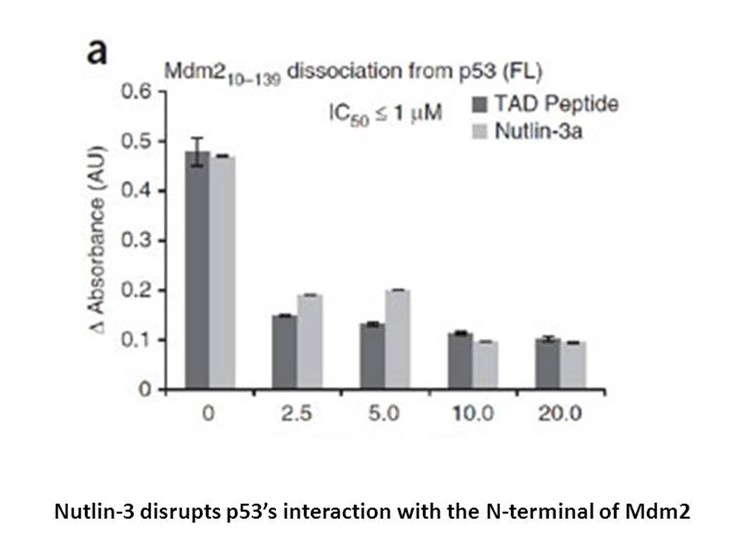
Tropomyosin-related kinases (Trks) play crucial role in neurotrophin-mediated cellular activities, including neuronal differentiation, survival, and synaptic function [37] through activating downstream signaling mediators PI3K and Akt [38]. In a therapeutic context, Akt has been shown to mediate str
-
The obtained results indicate that
2025-01-08
The obtained results indicate that even when the impairment of the same forms of memory are present, amnesia can develop in different ways. Impairment of memory reconsolidation in the conditioned food aversion model through both the serotonin receptor antagonist and the antagonist of NMDA glutamate
-
Additionally in a previous transgenic model with autotaxin u
2025-01-08
Additionally, in a previous transgenic model with autotaxin under the control of the MMTV-LTR promoter, aberrant expression of human autotaxin caused late-onset, metastatic breast cancer [5]. The AT-ATX transgenic model is analogous to the previous one because ∼30% of all spontaneous tumors appeared
-
In a study highlighted the usefulness of
2025-01-08
In 2010, a study highlighted the usefulness of arginase-1 as a sensitive and specific marker of hepatocytic differentiation for diagnostic pathology [9]. Subsequent studies have validated the high sensitivity and specificity of arginase-1, in particular its added value in evaluating poorly different
-
However in recent years advanced
2025-01-07
However, in recent years advanced experiments and findings are emerging to give us more detailed information on Aβ-membrane interactions. Several reviews have provided background on the fibrillation of Aβ and the Aβ-membrane interactions [[18], [19], [20], [21], [22]]. In this review, we mainly focu
-
br Concluding Remarks and Future Perspectives The
2025-01-07
Concluding Remarks and Future Perspectives The collective evidence from studies detailing the functions of AMPK in the neuromuscular system, combined with those in DMD, SMA, and DM1 surveyed in the present review, strongly suggests that AMPK is a central mediator of neuromuscular determination, m
-
In particular we focused our attention on beta adrenergic
2025-01-07

In particular, we focused our attention on beta2 adrenergic receptors, since their commercial inhibitors are effective in lowering IOP, the primary indication of glaucoma. The hypotensive action of a commercial sequence of beta2 adrenergic receptor siRNA was tested in rabbits. The results confirmed
-
Echinocandin resistance is systematically associated with po
2025-01-06
Echinocandin resistance is systematically associated with point mutations in either FSK1 or FSK2 genes [7], [104]. These mutations are located in two different not spot regions of these genes named HS1 and HS2. Hot spot mutations have been reported in C. albicans, C. glabrata, C. tropicalis, C. krus
-
br Conclusions In summary we report a
2025-01-06
Conclusions In summary, we report a novel preliminary finding of a potential racial difference in the association of Cd-content and AR expression in prostate cancer that will need to be confirmed in larger studies. Although the association of Cd and AR protein expression is not strong in tumor ti
-
To further clarify the vascular cell
2025-01-06
To further clarify the vascular cell types expressing AR subtypes, double immunofluorescence staining for ARs and vascular endothelial Desipramine hydrochloride or vascular smooth muscles was performed. As shown in Fig. 3, Fig. 4, overlay images show the expression of all ARs subtypes that we exami
-
Although the effects of adenosine receptor signaling in
2025-01-04
Although the effects of adenosine receptor signaling in acute renal IRI have been attributed to the generation of high concentrations of adenosine, we have recently reported an increase in kidney levels of both AMP and adenosine, with a concomitant fall in ATP and ADP. We have also previously demons
-
An alternative approach to the administration
2025-01-04
An alternative approach to the administration of ADO agonists is to amplify the actions of endogenous ADO by inhibiting the ADO-metabolizing enzyme, ADO kinase (AK). Inhibition of AK has the net effect of potentiating the local concentration and the effects of ADO in the extracellular compartment. T
-
The finding of the apelin APJ
2025-01-04
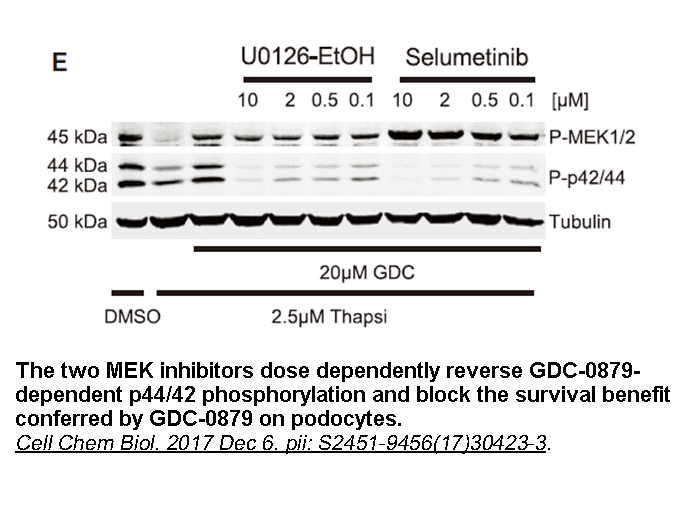
The finding of the apelin/APJ axis represents an impressive event in cardiovascular studies. As a result of various experimental and clinical studies conducted in vivo and in vitro, it has been indicated that apelin/APJ is a crucial mediator of cardiovascular homeostasis, which takes part in the pat
-
It has been demonstrated that the hallmarks of pulmonary fib
2025-01-04
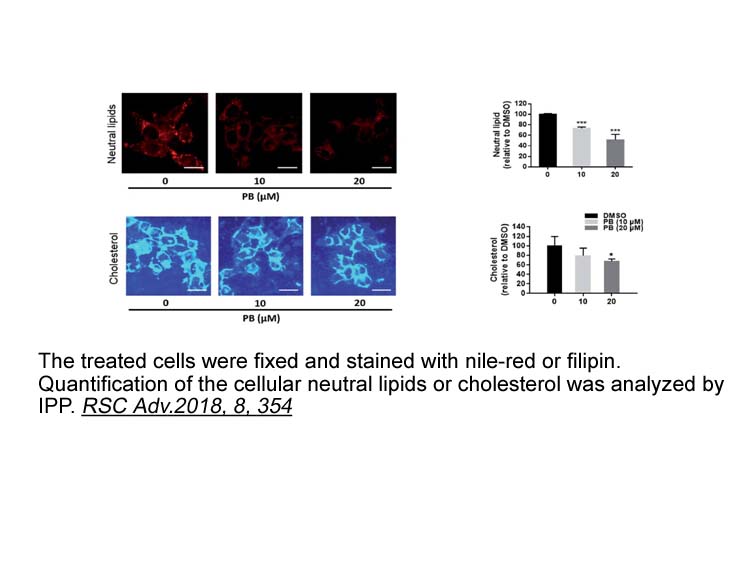
It has been demonstrated that the hallmarks of pulmonary fibrosis are a loss of endothelial function and subsequent activation of the immune system, which is considered as a direct outcome affected by intracellular pro-inflammatory responses [26]. Thus, inhibition of early inflammation could be an i
8309 records 59/554 page Previous Next First page 上5页 5657585960 下5页 Last page